Last updated 2026-07-24
TL;DR
Medical transportation in Phoenix AZ mostly means non-emergency medical transportation (NEMT), which is separate from ambulance service. To operate legally you register your business in Arizona, enroll as an AHCCCS provider, meet vehicle and driver requirements, and credential with the managed care plans' transportation brokers that cover Maricopa County. Ambulance rides fall under a different Medicaid benefit than wheelchair van or ambulatory NEMT trips.
what is non emergency medical transportation, and how is it different from an ambulance ride in phoenix
Non-emergency medical transportation (NEMT) is scheduled, non-urgent transport to and from covered medical services, like dialysis, dental appointments, physical therapy, or a specialist visit. The person isn't in a medical crisis. They just need a ride, often in a wheelchair van or an ambulatory sedan, because they can't drive themselves and don't have another way to get there. Ambulance transport is a different Medicaid benefit entirely, billed and regulated separately, and it covers emergency response and some medically necessary transport that requires monitoring or clinical care en route. If you're building a wheelchair-van business in Phoenix, you're almost certainly in the NEMT lane, not the ambulance lane. Arizona's Medicaid program, AHCCCS (Arizona Health Care Cost Containment System), covers both, but through very different provider pathways. In plain terms: NEMT drivers don't provide medical care. They provide safe, reliable rides, sometimes with wheelchair securement or a stretcher, but no clinical intervention. That distinction matters for what license, insurance, and credentialing you'll need. It's the first thing to nail down before you spend money on a van.
does medicaid cover ambulance rides
Yes. Medicaid covers ambulance transport when it's medically necessary, meaning the person's condition requires the vehicle and staff capabilities that only an ambulance provides. The federal Medicaid statute at 42 U.S.C. § 1396a(a)(4) requires states to provide for "such methods of administration...as are found by the Secretary to be necessary for the proper and efficient operation of the plan," and CMS has long interpreted this to include ensuring beneficiaries have transportation to and from covered services, including emergency ambulance transport where clinically indicated [1]. Each state runs its own coverage rules and payment rates, so ambulance coverage details, prior authorization requirements, and reimbursement rates vary by state Medicaid agency. In Arizona, AHCCCS-contracted health plans manage both emergency ambulance claims and non-emergency transportation, but they're administered through different provider enrollment tracks with different licensing requirements (EMS certification versus NEMT vehicle permits). If you're looking to run wheelchair vans, not ambulances, you don't need EMT certification or an ambulance license. You need NEMT-specific vehicle permits, driver background checks, and broker credentialing. That's a lighter lift, but it still has real requirements.
does medicare cover medical transportation
Medicare's coverage of NEMT is much narrower than Medicaid's. Original Medicare generally does not cover routine non-emergency transportation to medical appointments. It does cover ambulance transport when other transportation could endanger the person's health, and only when specific medical necessity criteria under 42 CFR § 410.40 are met [2]. Some Medicare Advantage plans offer non-emergency transportation as a supplemental benefit, but this varies enormously by plan and by year, and it's not guaranteed. If you're building your Phoenix business plan around Medicare Advantage transportation contracts, confirm directly with each plan's transportation vendor or broker, because supplemental benefits change annually during open enrollment cycles. Bottom line: most steady NEMT work for new owner-operators comes through Medicaid managed care plans and their contracted brokers, not Medicare. That's where the volume and the established credentialing pathways are.
how to start a medical transportation business in phoenix, step by step
Starting a medical transportation business in Phoenix follows roughly the same sequence most NEMT operators everywhere follow, with an Arizona-specific layer on top. Here's the order that avoids wasted money. 1. Form your business entity (LLC is standard) and get your EIN. Arizona's Corporation Commission handles LLC filings. 2. Get general liability and commercial auto insurance with limits that meet AHCCCS and broker minimums. Confirm exact limits with your insurer and the specific broker, since requirements aren't identical across Modivcare, MTM, Access2Care, and SafeRide. 3. Buy or convert your vehicle. A used wheelchair van with a certified conversion (ramp or lift, secured wheelchair tie-downs) is the most common starting vehicle for new operators. 4. Register as an AHCCCS provider if you plan to bill Medicaid directly, or skip straight to broker credentialing if you'll operate purely as a subcontracted driver/fleet under a broker's network. 5. Apply for credentialing with the transportation broker(s) covering Maricopa County health plans. This usually means submitting vehicle inspection records, driver background checks, insurance certificates, and a W-9. 6. Pass vehicle inspection and driver onboarding (this often includes drug testing, MVR checks, and defensive driving or passenger assistance training). 7. Get assigned trips once you're active in the broker's dispatch system. This whole process realistically takes weeks, not days, mostly because insurance underwriting and broker application review both have their own timelines that you don't control. Don't buy a van before you've confirmed insurance costs and broker requirements. That order matters more than people expect.
how to start a nemt business with one van
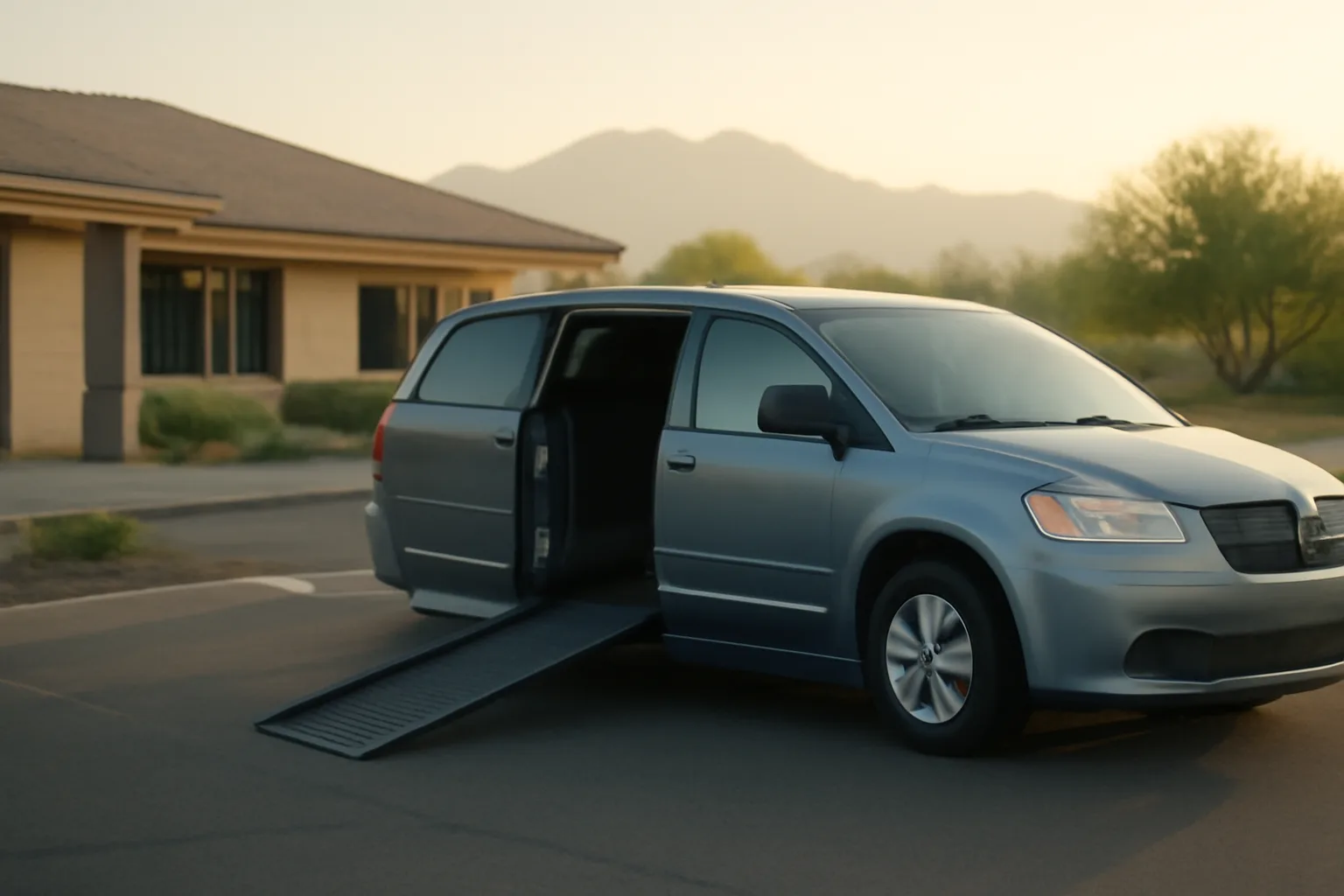
One van is a completely legitimate way to start, and a lot of owner-operators do exactly this. The requirements don't scale down much just because your fleet is small, though: you still need the same insurance minimums, the same driver background check, and the same broker application as a company running twenty vans. What changes with one van is your operating math. You're the driver, the dispatcher, and the business owner. That's fine at first. But it means your schedule is capped by your own hours, and any vehicle downtime (maintenance, inspection renewal) stops all your revenue at once. Some new operators keep a day job while building the NEMT side, which is workable as long as broker trip commitments and driver-of-record requirements are structured correctly, something to clarify directly with your broker. The vehicle itself matters. Brokers typically require a specific age limit on vehicles (often nothing older than a set number of model years, commonly 5 to 10 depending on the broker and vehicle type), a documented wheelchair lift or ramp inspection, and proof of ADA-compliant securement systems, consistent with the accessibility standards referenced in the ADA's transportation regulations at 49 CFR Part 37 [3]. Confirm current age limits and inspection standards with the broker before buying, since these get updated and vary by contract.
how do you start a medical transportation business (licensing and registration specifics for arizona)
Arizona doesn't have a single statewide NEMT operating license the way some states require a separate transportation network permit. Instead, your legal path runs through a few parallel tracks: business registration, AHCCCS provider enrollment (if billing Medicaid directly), and vehicle/driver credentialing through whichever broker manages transportation for the AHCCCS-contracted health plan you want to serve. AHCCCS is Arizona's Medicaid program, and it operates through managed care organizations, each of which typically contracts with a transportation broker to coordinate NEMT trips. That means your actual customer relationship, day to day, is usually with the broker's dispatch system, not directly with AHCCCS. City of Phoenix and Maricopa County don't generally require a separate local taxi-style permit for medical transport vehicles specifically, but any for-hire vehicle operating in Arizona still needs standard commercial vehicle registration and insurance filed with the Arizona Department of Transportation's Motor Vehicle Division. Confirm current local permit requirements directly with the City of Phoenix and Maricopa County business licensing offices, since municipal rules can change and aren't uniform statewide.
how to start a non-emergency medical transportation business: credentialing with brokers
Credentialing is the part new operators underestimate. It's not one form, it's a process, and each broker runs it a little differently. Modivcare, MTM, Access2Care, and SafeRide all operate in different states and regions, and which one (or ones) manage transportation for Arizona AHCCCS health plans depends on the specific plan and current contract, which changes periodically. Confirm which broker holds the active contract for the health plan(s) you want to serve before you build your application around one broker's requirements. Some Phoenix-area health plans have used Modivcare in past contract cycles, but broker assignments are re-bid and can shift, so verify current status directly. Typical credentialing packets ask for: - Proof of business registration and EIN
- Certificate of insurance meeting the broker's minimums
- Vehicle registration, inspection records, and photos showing wheelchair securement equipment
- Driver background checks (often including a Level I fingerprint clearance or equivalent, motor vehicle record, and drug screen)
- W-9 and banking information for payment
- Sometimes a facility or garage inspection, if the broker requires a home base check Expect the broker's review to take real time, often several weeks, and expect follow-up requests for missing documentation. Get every document ready before you submit, since incomplete applications go to the back of the queue at most brokers.
how much does it cost to start a wheelchair van nemt business in phoenix
Costs vary a lot depending on whether you buy new or used, and whether you finance the vehicle. A used wheelchair-accessible van conversion commonly runs from the high teens to the $40,000-plus range depending on age, mileage, and lift type, while new ADA-converted vans often run well above $50,000. These are general market ranges, not fixed prices, so get current quotes from mobility vehicle dealers before budgeting. On top of the vehicle, plan for commercial auto insurance (often the single biggest recurring cost for a small operator), general liability insurance, driver background check fees, vehicle inspection fees, business registration costs, and any state or local licensing fees. Insurance premiums for commercial NEMT vehicles vary widely based on driving history, coverage limits, and location, so get quotes from insurers who specifically write NEMT or livery policies rather than standard personal auto carriers. One underrated cost: downtime. If your one van needs a lift repair, you have no revenue until it's fixed, so a maintenance reserve isn't optional. It's part of the real cost of doing this with a small fleet.
what documents and inspections do arizona nemt vehicles need
Arizona-registered commercial vehicles need standard registration through the Arizona MVD, plus whatever inspection the specific broker requires for wheelchair securement, lift function, and interior condition. There's no single statewide NEMT vehicle inspection sticker separate from what brokers themselves administer, so the practical inspection standard you'll face comes from the broker's credentialing checklist, not a state agency form. Most brokers want to see: - Working wheelchair lift or ramp with current maintenance records
- Four-point wheelchair securement systems in good condition
- Working seatbelts for all passenger positions
- Clean interior, functioning heat/AC, and no major cosmetic damage that would suggest poor maintenance
- Current vehicle registration and insurance documents matching the vehicle's VIN Some brokers also require a set vehicle age cutoff (commonly vehicles no older than a fixed number of model years), which matters if you're buying used. Ask the broker for their current written vehicle standards document rather than relying on secondhand information, since these get revised.
what training do nemt drivers need in arizona
There's no universal Arizona-mandated NEMT driver license beyond a valid Arizona driver's license and a clean-enough motor vehicle record to satisfy insurance and broker underwriting. What actually gates your ability to drive AHCCCS-covered trips is broker-level training and background check requirements, not a state license category. Common broker requirements include a Level I fingerprint clearance card or equivalent background check, a drug screening, defensive driving training, and passenger assistance training covering safe wheelchair loading, securement, and handling passengers with mobility or cognitive impairments. Arizona's fingerprint clearance card program is administered by the Department of Public Safety under Arizona Revised Statutes Title 41, Chapter 12, Article 3.1. Some brokers also require CPR/first aid certification, even though NEMT drivers don't provide medical care, simply as a safety baseline. If you're driving your own van as an owner-operator, you'll go through this same onboarding yourself. If you plan to hire drivers as you grow, budget time and money for running every driver through the same checks, since brokers audit compliance and a lapsed background check or expired certification can get a driver (or your whole contract) suspended.
how do you decide which broker to credential with first in phoenix
Start by identifying which AHCCCS-contracted health plans are active in Maricopa County and which broker currently manages transportation for each. This information should come directly from AHCCCS or from each health plan's member services line, since broker contracts get rebid and assignments shift over time. Don't assume the broker your neighbor used last year is still the one covering the plan you want to serve. Call and confirm. Once you know the current broker, request their credentialing packet directly rather than relying on secondhand forum posts, since requirements change and out-of-date checklists cause real delays. If more than one broker serves plans in your area, credentialing with more than one increases your trip volume potential, but it also multiplies your paperwork and compliance tracking. For a one-van operation, it's often smarter to get fully compliant and running well with one broker before spreading into a second.
what's the fastest way to get through this process without wasting money
The single biggest time-waster new operators hit is sequencing: buying the van before confirming broker vehicle standards, or applying for AHCCCS enrollment before insurance is in place. Confirm every requirement in writing from the specific broker and from AHCCCS before spending on anything irreversible. Build a simple checklist before you spend a dollar: business entity formed, insurance quotes in hand, current broker vehicle-age and equipment standards confirmed, current AHCCCS provider enrollment requirements confirmed. Only then shop for the van. A lot of the delay in this process isn't your paperwork, it's waiting on background check processors, insurance underwriters, and broker review queues. You can't speed those up much, but you can avoid adding your own delays by submitting complete, accurate applications the first time. For operators who want a structured starting point covering both the state Medicaid enrollment paperwork and broker credentialing documents in one place, there's a $199 State + Broker NEMT Launch Kit built for exactly this stage, though it's a paperwork tool, not a guarantee of approval from AHCCCS or any broker.
how is phoenix nemt different from other arizona markets
Phoenix and the broader Maricopa County market have more health plan options and more broker activity than smaller Arizona counties simply because of population density and provider density. That generally means more potential trip volume, but also more competition among NEMT operators and, often, stricter broker vehicle and driver standards because brokers can afford to be selective in a market with lots of applicants. Rural Arizona counties sometimes have fewer NEMT providers relative to need, and broker requirements can be applied a bit more flexibly there simply out of necessity, though that's not something to count on and it varies contract to contract. If you're deciding where to base your operation, Phoenix gives you the largest addressable market in the state. Budget for a genuinely competitive credentialing and referral environment rather than assuming volume will show up automatically once you're approved.
Frequently asked questions
What is non emergency medical transportation?
Non-emergency medical transportation (NEMT) is scheduled transport to and from covered medical appointments for people who have no other way to get there and aren't in a medical emergency. It typically uses wheelchair vans, ambulatory sedans, or stretcher vans, and Medicaid programs are required under 42 U.S.C. § 1396a(a)(4) to arrange necessary transportation to covered services [2].
Does Medicaid cover ambulance rides in Arizona?
Yes, when medically necessary. AHCCCS, Arizona's Medicaid program, covers emergency ambulance transport through a separate provider pathway than non-emergency transportation, with its own licensing and enrollment requirements [1]. Confirm current billing rules and rates directly with AHCCCS.
Does Medicare cover medical transportation?
Original Medicare generally doesn't cover routine non-emergency transportation. It covers ambulance transport only when medical necessity criteria under 42 CFR § 410.40 are met, such as when other transport would endanger the patient's health [3]. Some Medicare Advantage plans offer limited non-emergency transportation as a supplemental benefit, but this varies by plan and year.
How do I start a NEMT business with just one van?
Form your business entity, get commercial auto and liability insurance, buy a wheelchair van meeting broker age and equipment standards, complete driver background checks, and apply for broker credentialing. One van is a normal starting point, but you'll face the same insurance and credentialing requirements as larger fleets, just with less scheduling flexibility.
How much does it cost to start a wheelchair van NEMT business?
Used wheelchair-van conversions often run from the high teens into the $40,000s, with new ADA-converted vans running higher, plus ongoing commercial insurance, background check fees, and maintenance reserves. Get current quotes from mobility vehicle dealers and NEMT-specific insurers, since costs vary by vehicle age, coverage limits, and location.
Which broker handles Medicaid transportation in Phoenix?
It depends on which AHCCCS-contracted health plan you're serving, since broker contracts are periodically rebid among companies like Modivcare, MTM, Access2Care, and SafeRide. Confirm the current broker assignment directly with AHCCCS or the specific health plan's member services line before applying for credentialing.
Do I need an ambulance license to run a wheelchair van business?
No. Wheelchair van and ambulatory NEMT service is a different regulatory category than ambulance transport. You need NEMT vehicle standards, driver background checks, and broker credentialing, not EMT certification or an ambulance operating license, since NEMT drivers don't provide clinical care.
What documents do I need for AHCCCS provider enrollment?
Typical requirements include business registration documents, EIN, insurance certificates, vehicle registration and inspection records, and owner/driver background check results. Requirements and exact forms change periodically, so confirm the current AHCCCS provider enrollment checklist directly with AHCCCS before submitting your application [1].
How long does NEMT broker credentialing take?
There's no fixed universal timeline, and it varies by broker and how complete your initial application is, but plan for several weeks at minimum given insurance verification, background check processing, and vehicle inspection scheduling. Submitting a complete, accurate packet the first time is the biggest factor you control.
What insurance do I need for a Phoenix NEMT business?
You'll need commercial auto insurance and general liability insurance meeting minimums set by both AHCCCS provider requirements and your specific broker's contract, which aren't identical across brokers. Get quotes from insurers experienced with NEMT or livery vehicles, and confirm exact limit requirements with your target broker before finalizing a policy.
Can I run a Phoenix NEMT business as a side job with one van?
It's possible, but your revenue potential is capped by your own available hours and by broker trip-commitment expectations, which vary by contract. Clarify driver-of-record rules and minimum availability requirements directly with your broker before assuming you can run this purely part-time.
What vehicle age limits do NEMT brokers require?
Many brokers set a maximum vehicle age, commonly somewhere in the 5 to 10 year range depending on vehicle type and specific broker contract, though this isn't universal. Confirm the current written vehicle standards with your specific broker before buying a used van, since limits and enforcement vary.
Is a Level I fingerprint clearance required for NEMT drivers in Arizona?
Many brokers and AHCCCS-related contracts require some form of fingerprint-based background clearance for drivers transporting Medicaid members, often a Level I fingerprint clearance card issued under Arizona's fingerprint clearance card statute [6]. Exact requirements vary by broker and by health plan contract, so confirm the current standard with the specific broker you're credentialing with.
Sources
- 42 U.S.C. § 1396a, Cornell Legal Information Institute: Federal Medicaid law requires state plans to provide for methods of administration necessary for proper operation, which CMS and states have interpreted to include ensuring necessary transportation to covered services
- 42 CFR § 410.40, Electronic Code of Federal Regulations: Medicare covers ambulance services only when the beneficiary's condition requires ambulance transportation and other means of transport would endanger the person's health
- 49 CFR Part 37, Electronic Code of Federal Regulations (DOT ADA transportation rules): Federal ADA transportation regulations set accessibility requirements, including for vehicle securement systems, that inform broker vehicle standards for wheelchair-accessible transport
- Medicaid.gov, Non-Emergency Medical Transportation: CMS describes non-emergency medical transportation as an assurance state Medicaid programs must provide so beneficiaries can access covered medical care
- Arizona Health Care Cost Containment System (AHCCCS): AHCCCS administers non-emergency medical transportation benefits for Arizona Medicaid members, which NEMT providers must become credentialed to serve.
- Arizona Health Care Cost Containment System (AHCCCS): NEMT businesses in Arizona must complete AHCCCS provider registration before contracting with managed care organizations or brokers.
- Electronic Code of Federal Regulations (eCFR): Federal Medicaid regulations require states to ensure necessary transportation for beneficiaries to and from medical providers, forming the basis for NEMT coverage.
- Medicare.gov: Medicare covers ambulance services only when other transportation could endanger the patient's health, clarifying limits on medical transportation coverage.
- Arizona Secretary of State / Arizona Corporation Commission: Starting a medical transportation business in Arizona requires registering the business entity through the Arizona Corporation Commission.