Last updated 2026-07-24
TL;DR
NEMT (non-emergency medical transportation) is a Medicaid benefit covering rides to medical appointments for people without other transportation. Medicare generally does not cover it, while Medicaid does under 42 CFR 440.170. Starting a business means forming an entity, getting the right vehicle and insurance, enrolling as a Medicaid provider, and credentialing with regional brokers like Modivcare or MTM.
What is NEMT (non-emergency medical transportation)?
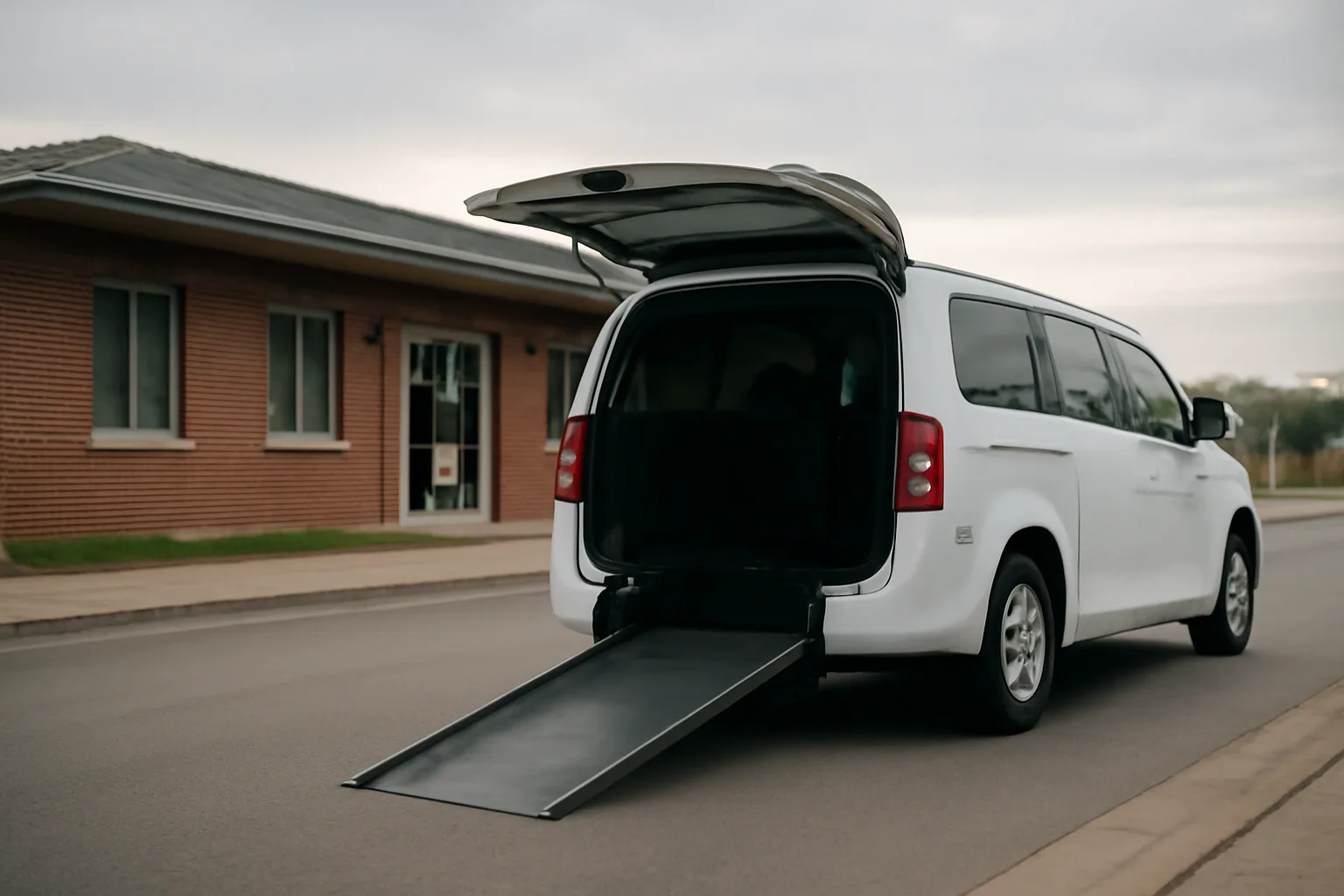
NEMT stands for non-emergency medical transportation. It's transportation to and from medical appointments for people who have no other way to get there, but who don't need an ambulance or emergency care. Think dialysis three times a week, physical therapy, methadone clinics, prenatal visits, or a routine specialist appointment across town. Federal Medicaid rules require states to make sure eligible people can get to and from covered medical services. The regulation that creates this obligation is 42 CFR 440.170(a), which lets states cover transportation as an administrative or medical service, and CMS guidance confirms states must ensure necessary transportation for beneficiaries with no other means to get to care [1]. NEMT is not one uniform national program. Every state runs its own version, some through a state-employed call center, most through regional brokers under contract. The vehicle types range from ambulatory sedans and minivans to wheelchair vans and stretcher vans. If you're buying a wheelchair van specifically, you're stepping into the segment with the most equipment requirements and usually the best-paying trip rates, but also the most inspection scrutiny. For background on how state programs are structured, see medical transportation and non emergency medical transportation.
Does Medicaid cover ambulance rides and NEMT?
Yes, Medicaid covers both emergency ambulance transport and non-emergency medical transportation, but they're different benefits with different rules and different payers within the program. Ambulance transport (emergency) is billed as a medical service directly, typically through the state's regular Medicaid claims system or a managed care plan. NEMT is usually carved out and run through a broker. The federal requirement is broad: states must assure transportation to and from providers for Medicaid enrollees, per 42 CFR 440.170 [1]. How each state implements that (in-house van fleet, broker contract, mileage reimbursement to the beneficiary's own driver) is a state design choice, and it changes over time as contracts get rebid. Medicaid.gov's own page on NEMT covers the policy basics, and every state Medicaid agency publishes its own version of who's eligible, what counts as a covered trip, and which broker or vendor to call [2]. If you're enrolling as a provider, you need both the federal framework and your specific state's manual, because reimbursement rates, mileage caps, and documentation rules are set at the state level, not by CMS. Confirm current ambulance vs. NEMT coverage rules with your state Medicaid agency, since some states have shifted ambulance billing into managed care organizations while keeping NEMT in a separate broker contract.
Does Medicare cover medical transportation?
Generally, no. Original Medicare does not cover routine non-emergency medical transportation like rides to a doctor's office or dialysis. Medicare Part B does cover emergency ambulance transportation when it's medically necessary and other transport would endanger the patient's health, and in limited cases it covers non-emergency ambulance transport if a doctor documents medical necessity (for example, a bed-confined patient needing dialysis) [3]. Some Medicare Advantage (Part C) plans offer NEMT as a supplemental benefit, but that's plan-specific and not guaranteed. CMS allows Medicare Advantage plans to offer transportation as a supplemental benefit, and many do, but coverage, trip limits, and the network of approved transportation vendors vary by plan and by year [4]. This matters for owner-operators because it means your real payer base for wheelchair van NEMT work is almost always Medicaid and Medicaid managed care, plus occasional Medicare Advantage broker contracts, private pay, and VA or workers' comp referrals in some markets. Don't build a business plan around Medicare NEMT reimbursement; it's the exception, not the rule.
How do you start a medical transportation business?
Starting a medical transportation business means stacking several approvals in a specific order: business entity and insurance first, vehicle compliance second, state Medicaid enrollment third, broker credentialing fourth. Skip a step and you'll get bounced back, often after weeks of waiting. Here's the realistic sequence: 1. Form your LLC or corporation and get a federal EIN. 2. Get commercial auto insurance with the liability limits your state requires for passenger transport (often higher than standard commercial auto minimums; some states specify $1 million combined single limit for NEMT). 3. Buy or convert a wheelchair-accessible van that meets ADA lift/ramp standards and your state's vehicle inspection checklist. 4. Get any required state or local operating permits (some states require a separate NEMT operator license or Certificate of Need in addition to Medicaid enrollment). 5. Complete driver requirements: background check, drug screen, defensive driving or passenger assistance training, CPR/First Aid in many states. 6. Enroll as a Medicaid provider with your state Medicaid agency (this is separate from and usually before broker credentialing). 7. Apply for broker network credentialing (Modivcare, MTM, Access2Care, SafeRide, or your state's specific vendor). 8. Pass a vehicle and driver file audit, which most brokers require before your first dispatched trip. Each state Medicaid transportation unit publishes its own provider enrollment page and applicable state statute or administrative code section; confirm requirements with your state Medicaid agency before spending money on equipment. For a broader look at how the broker layer fits together, see nemt transportation and nemt.
How do you start an NEMT business with just one van?
You can absolutely start with one wheelchair van; most owner-operators do. The paperwork burden is nearly identical whether you own one van or twenty, so the real question is whether the trip volume from one broker contract will support one full-time vehicle and driver. A few practical points specific to single-vehicle operations. First, you'll likely be both the owner and the primary driver, which means your own background check, driving record, and training file need to be airtight, since there's no backup driver to lean on during an audit or a driver disqualification. Second, brokers still require the same insurance certificate, vehicle inspection, and W-9/EIN paperwork for a fleet of one as for a fleet of fifty; there's no small-operator discount on the compliance side. Third, plan for downtime: if your one van is in the shop, you have zero capacity, so factor a maintenance reserve and a plan for what happens to scheduled trips during repairs. Many states and brokers are comfortable credentialing single-vehicle operators, especially in wheelchair-van and stretcher-van categories where capacity is often short. But some broker contracts set minimum fleet or geographic coverage expectations, so confirm with your broker and state Medicaid agency whether a one-van operation meets their network adequacy criteria before you sign a lease on a vehicle.
What do you need to enroll as a Medicaid NEMT provider?
Every state runs its own Medicaid provider enrollment process, but the documents requested are similar across states: your business entity paperwork, EIN, National Provider Identifier (NPI) if your state requires one for transportation providers, proof of insurance, vehicle registration and inspection records, and driver credential files. Most states use a centralized provider enrollment portal (often shared with medical providers generally), and NEMT-specific transportation units review the transportation-specific attachments. Processing time varies widely; some states process complete applications in a few weeks, others take two to three months, especially if your application is missing a document and gets kicked back into a queue. A critical distinction: Medicaid provider enrollment and broker network credentialing are two separate gates. In most states you need to be an enrolled Medicaid provider before a broker will even look at your credentialing packet, because the broker checks your enrollment status against the state's provider file. Some states have merged the process or require broker credentialing first; this varies enough that you genuinely need to check your specific state's transportation unit page rather than assume. Keep every document in one file: insurance certificate, vehicle inspection report, driver license and MVR, background check clearance, CPR card, and your Medicaid provider number once issued. Brokers will ask for most of these again during their own credentialing review, and having them ready cuts weeks off your onboarding.
What is broker credentialing, and how is it different from Medicaid enrollment?
Broker credentialing is the private-company approval process you go through with the transportation broker your state has contracted to manage NEMT trips. Modivcare, MTM, Access2Care, and SafeRide are the largest national brokers, and most state Medicaid programs contract with one of them (or a regional equivalent) to handle trip scheduling, dispatch, and provider network management. Medicaid enrollment tells the state you're a legitimate, eligible provider. Broker credentialing tells the broker's network team that your vehicles, drivers, and insurance meet their specific operating standards, which are often stricter than the bare state Medicaid minimums. A broker might require, for example, GPS tracking on every vehicle, a specific dashcam standard, higher insurance limits than the state floor, or annual driver recertification the state doesn't mandate. Each broker's application asks for largely the same core packet (W-9, insurance certificate, vehicle list with VINs and inspection dates, driver roster with background checks) but the portals, timelines, and specific attachments differ enough that reusing one broker's file for another without checking their current checklist is a common mistake. Confirm the exact requirements with each broker directly, since they update credentialing standards periodically and don't always publicize changes widely. If you're enrolling in multiple brokers' networks (common if your state uses different brokers in different regions, or if you cross state lines), expect to submit largely duplicate paperwork multiple times. This is the exact bottleneck a document-organization tool like the $199 State + Broker NEMT Launch Kit is built for: one place to assemble the entity, insurance, vehicle, and driver documents most states and brokers ask for, so you're not rebuilding the packet from scratch for every application.
What vehicle and insurance requirements apply to wheelchair van NEMT?
| Used wheelchair van (conversion) | $25,000-$55,000 | Age, mileage, and lift condition drive the range | |
|---|---|---|---|
| Commercial auto/passenger liability insurance | $4,000-$12,000/year | Varies heavily by state and driving history | |
| Vehicle inspection/permit fees | $50-$500/year | State and county-specific | |
| Driver background check + drug screen | $50-$150 per driver | One-time, repeated periodically | |
| CPR/First Aid certification | $50-$100 per driver | Usually renewed every 1-2 years | These are general market ranges, not quotes; get current numbers from your insurance broker and state vehicle inspection office before budgeting. For more on equipment specifics, see non emergency medical transportation services. |
Wheelchair van requirements are set at the state level and enforced again at the broker level, so you're really meeting two overlapping checklists. Common elements include a wheelchair lift or ramp meeting ADA design standards, secure four-point wheelchair tie-down systems, working interior lighting and climate control, a first-aid kit, fire extinguisher, and current annual vehicle inspection. Insurance minimums for passenger-for-hire vehicles are typically higher than standard personal or general commercial auto coverage. Many states require combined single limit liability coverage in the range of $500,000 to $1,000,000 for NEMT vehicles, though the exact figure depends on your state and sometimes your vehicle class (wheelchair van vs. stretcher van vs. ambulatory sedan). Confirm the specific limit with your state Medicaid transportation unit and your broker, because underinsuring by even a small margin is one of the more common reasons applications get rejected outright. A rough compliance cost comparison for owner-operators: | Item | Typical range | Notes |
How long does it take to get approved and start taking trips?
Realistically, plan for two to six months from a standing start (no entity, no vehicle) to your first dispatched trip, though it can move faster or slower depending on your state's backlog and how clean your application packet is. A rough breakdown: entity formation and insurance setup, one to three weeks. Vehicle sourcing and inspection, two to eight weeks depending on whether you're buying new, used, or converting a van yourself. State Medicaid provider enrollment, two weeks to three months depending on the state's processing queue. Broker credentialing, typically two to six weeks once your Medicaid enrollment is confirmed, though some brokers run faster if you submit a complete packet the first time. The single biggest time-waster is submitting incomplete paperwork and getting bounced back into a review queue, which can add another two to four weeks per round trip. The second biggest time-waster is buying a vehicle before confirming it will pass your specific state's inspection checklist; some states have lift certification or ramp angle requirements that not every used conversion van meets.
What ongoing compliance do NEMT providers need to maintain?
Getting credentialed is the start, not the finish line. Most states and brokers require annual vehicle re-inspection, periodic insurance certificate renewal (usually annually, sometimes with automatic broker notification if it lapses), driver MVR re-checks (commonly annually), and CPR/First Aid recertification on a one-to-two-year cycle. Brokers also run performance audits: on-time pickup rates, no-show and cancellation documentation, GPS compliance if required, and complaint tracking. Falling below a broker's on-time performance threshold or accumulating too many rider complaints can lead to suspension from the network, separate from any state Medicaid issue. Keep a renewal calendar. Insurance lapses and expired background checks are the two most common reasons an otherwise good provider gets suspended from a broker network, and reinstatement after a lapse often takes longer than the original credentialing did.
What's the real difference between operating for a broker vs. billing Medicaid directly?
In most states, individual owner-operators don't bill Medicaid directly for NEMT trips; they get dispatched by the broker, complete the trip, and get paid by the broker at a contracted rate, with the broker in turn billing the state or the managed care organization. This is the dominant model in states like Georgia (Modivcare), Texas (MTM in some regions), and many others where the state has moved to a single statewide or regional broker. A smaller number of states or programs allow direct Medicaid billing by transportation providers, particularly in fee-for-service arrangements or in states that haven't fully brokered out NEMT. If your state allows direct billing, you'd enroll as a Medicaid provider and submit claims yourself (or through a billing service), which cuts out the broker's take but adds the administrative burden of claims submission, denials, and collections. Most new owner-operators start on the broker side because it requires less back-office claims infrastructure. Confirm with your state Medicaid agency which model applies in your service area, since it directly affects whether you need broker credentialing at all, or whether Medicaid provider enrollment alone is sufficient.
Frequently asked questions
What is NEMT in simple terms?
NEMT (non-emergency medical transportation) is transportation to medical appointments, like dialysis, therapy, or checkups, for people who need a ride but don't need an ambulance. It's mostly a Medicaid benefit, required under federal rule 42 CFR 440.170, and states run it through call centers or contracted brokers rather than a national program.
Does Medicaid cover ambulance rides?
Yes. Medicaid covers medically necessary ambulance transport as a distinct benefit from NEMT, typically billed through the state's regular claims system or a managed care plan rather than through the NEMT broker. Coverage details, prior authorization rules, and reimbursement rates are set at the state level, so confirm specifics with your state Medicaid agency.
Does Medicare cover medical transportation?
Original Medicare generally does not cover routine non-emergency rides to appointments. It covers emergency ambulance transport under Part B, and limited non-emergency ambulance transport when a doctor certifies medical necessity. Some Medicare Advantage plans offer NEMT as a supplemental benefit, but that varies by plan and isn't guaranteed.
How do I start a non-emergency medical transportation business?
Form your business entity, get commercial passenger auto insurance, buy a compliant wheelchair or ambulatory vehicle, complete driver background checks and training, enroll as a Medicaid provider with your state, and then apply for broker network credentialing (Modivcare, MTM, Access2Care, SafeRide, or your state's vendor). Expect two to six months start to finish.
Can I start an NEMT business with just one van?
Yes, most owner-operators start with a single wheelchair van. The credentialing paperwork is essentially the same as for a larger fleet. The main risks are zero backup capacity if your van needs repairs, and some broker contracts may set minimum coverage expectations, so confirm network adequacy requirements with your broker first.
What's the difference between Medicaid enrollment and broker credentialing?
Medicaid enrollment is your approval from the state to be a recognized Medicaid provider. Broker credentialing is a separate approval from the private company (like Modivcare or MTM) that dispatches trips under contract with your state. Most states require Medicaid enrollment before broker credentialing will even begin.
How much does it cost to start an NEMT business with one wheelchair van?
Vehicle cost alone typically runs $25,000 to $55,000 for a used wheelchair conversion van, plus $4,000 to $12,000 a year in commercial passenger liability insurance, plus inspection fees and driver background check costs. Exact figures depend heavily on your state, vehicle age, and insurance history; get current quotes before budgeting.
How long does NEMT credentialing take?
Realistically two to six months from a standing start. State Medicaid provider enrollment alone can take anywhere from two weeks to three months depending on the state's backlog, and broker credentialing typically adds another two to six weeks once your Medicaid enrollment is confirmed.
Do I need a special license to drive for NEMT?
Requirements vary by state and vehicle type. Most states require a standard driver's license (commercial license generally not required for vans under a certain passenger capacity), a clean driving record, background check, drug screen, and often CPR/First Aid or passenger assistance training. Confirm exact requirements with your state Medicaid transportation unit.
What insurance do I need for a wheelchair van NEMT business?
You need commercial auto insurance rated for passenger-for-hire transport, generally with higher liability limits than personal auto coverage, often in the range of $500,000 to $1,000,000 combined single limit depending on the state and vehicle class. Standard personal auto or unrated commercial policies typically won't satisfy broker or state requirements.
Which brokers manage NEMT credentialing?
The largest national NEMT brokers are Modivcare, MTM, Access2Care, and SafeRide, each contracted by different states or regions to manage trip dispatch and provider networks. Some states use smaller regional brokers or run NEMT in-house. Check your state Medicaid transportation unit's page to find which broker covers your service area.
Is NEMT the same as ambulance transport?
No. NEMT is non-emergency transport for people who don't need medical care during the ride, using vans, sedans, or wheelchair-accessible vehicles. Ambulance transport is for emergency or medically necessary situations requiring clinical care en route, uses licensed EMS vehicles and staff, and is billed and regulated separately from NEMT.
Can I bill Medicaid directly instead of going through a broker?
In some states, yes, particularly where NEMT hasn't been fully brokered out. Most states now route NEMT through a contracted broker, meaning owner-operators get dispatched and paid by the broker rather than billing Medicaid directly. Confirm which model applies in your state before assuming you need broker credentialing at all.
Sources
- eCFR, 42 CFR 440.170 (Transportation): Federal Medicaid regulation requiring states to ensure necessary transportation for beneficiaries to and from covered services
- Medicaid.gov, Non-Emergency Medical Transportation: NEMT is a required Medicaid benefit and policy basics are published by CMS
- Medicare.gov, Ambulance Services coverage: Medicare Part B covers emergency ambulance transport and limited non-emergency ambulance transport with medical necessity documentation
- CMS, Medicare Advantage supplemental benefits: Medicare Advantage plans may offer transportation as a supplemental benefit at plan discretion
- Medicaid.gov (CMCS Informational Bulletin): Non-emergency medical transportation (NEMT) is a required benefit for state Medicaid programs under federal regulations, and states must ensure Medicaid beneficiaries have access to necessary NEMT services.
- eCFR (42 CFR § 431.53): States must assure necessary transportation for Medicaid beneficiaries to and from providers, which forms the regulatory basis for NEMT coverage requirements.
- Federal Motor Carrier Safety Administration (FMCSA): NEMT businesses operating vehicles for transporting passengers across state lines or meeting certain weight thresholds may need to obtain a USDOT number as part of starting a medical transportation business.
- ADA.gov (U.S. Department of Justice): Wheelchair van NEMT providers must comply with the Americans with Disabilities Act (ADA) requirements regarding accessible vehicle equipment and passenger accommodations.
- HHS Office of Inspector General (OIG): NEMT providers billing Medicaid directly must maintain ongoing compliance programs consistent with OIG guidance to prevent fraud, waste, and abuse.
- Medicaid.gov: Medicaid NEMT is a distinct program area with specific federal guidance describing how states administer non-emergency medical transportation benefits, including through brokers.