Last updated 2026-07-25
TL;DR
Non-emergency medical transportation (NEMT) gets Illinois Medicaid members to routine medical appointments when they have no other ride. Illinois Medicaid contracts this through managed care plans and a statewide broker system rather than paying drivers directly, so Chicago operators must credential with HFS-approved brokers, more than enroll in Medicaid. Startup for one wheelchair van typically runs $25,000 to $60,000+ before you see your first trip paid.
What is non-emergency medical transportation (NEMT)?
NEMT is scheduled transport for people who need to get to a medical appointment, dialysis, physical therapy, or a pharmacy pickup but don't need an ambulance and don't have a way to get there themselves. It covers ambulatory rides (a sedan or minivan for someone who can walk and sit), wheelchair van rides, and sometimes stretcher van rides for people who can't sit upright but aren't in crisis. The federal government requires state Medicaid programs to make sure enrollees can actually get to covered care. The regulation at 42 CFR 431.53 says states must "ensure necessary transportation for recipients to and from providers" [1]. That's the legal root of every state NEMT program, including Illinois's. In Chicago, and across Illinois, NEMT is not run out of the state Medicaid office directly for most trips. The Illinois Department of Healthcare and Family Services (HFS), which administers Medicaid, moved most transportation coordination to managed care organizations and their contracted transportation brokers. If you're picturing yourself calling a state hotline to get authorized as a driver, that's usually not how it works here. You'll be credentialing with a broker network, and possibly with multiple managed care plans' brokers, not filing one simple state form. For background on how this fits the national picture, see medical transportation and nemt.
Does Medicaid cover ambulance rides?
Yes, but ambulance coverage is a separate benefit from NEMT, and it's for emergencies or medically necessary transport that requires an ambulance level of care, not routine rides to a checkup. Medicaid.gov describes non-emergency medical transportation as a distinct assurance separate from ambulance transportation, and CMS guidance treats emergency ambulance runs under emergency medical services rules, generally billed by licensed EMS providers, not NEMT operators [2]. If a Medicaid member needs an ambulance because of a medical emergency, that's billed through the emergency medical services system, typically a licensed ambulance provider enrolled with HFS as a medical transportation provider, using ambulance-specific procedure codes. A wheelchair van company cannot bill for ambulance-level transport, and doing so without the right licensure is a fast way to get flagged for fraud. Where it gets confusing: some members need a stretcher van, not an ambulance, for non-emergency trips (like a hospital discharge to a nursing home when the person can't sit in a wheelchair but isn't in medical distress). Stretcher van service usually falls under NEMT broker networks, with its own vehicle and staffing requirements, separate from ambulance licensure. Confirm with your broker and the Illinois Medicaid transportation unit which category your vehicle and service model fits before you buy equipment.
Does Medicare cover medical transportation?
Original Medicare covers ambulance transportation only when it's medically necessary and other transportation would endanger the person's health, per Medicare's ambulance services coverage rules [3]. It does not generally pay for routine non-emergency wheelchair van or sedan rides to a doctor's office. Some Medicare Advantage plans have started offering limited NEMT as a supplemental benefit, but that's plan-specific, not a standard Medicare entitlement, and coverage details (trip limits, prior authorization, which vendors are in-network) vary by plan and change yearly. If you want to contract with a Medicare Advantage plan's transportation network in the Chicago market, you'd approach that plan's provider network team directly, since it's a separate credentialing process from Illinois Medicaid NEMT broker enrollment. This matters for business planning: most of your steady NEMT volume as a new Chicago operator is going to come from Medicaid managed care members, not Medicare fee-for-service riders, because Medicare's ambulance-only standard filters out most of the routine appointment traffic that keeps a wheelchair van business running.
How does Illinois Medicaid handle NEMT in Chicago?
Illinois Medicaid (HFS) delivers most Medicaid benefits, including transportation, through managed care organizations under the HealthChoice Illinois program. HFS publishes its managed care organization contracts and program overview directly on its managed care program page, which lays out which plans operate in Cook County and how capitated managed care works in Illinois [4]. Each managed care plan contracts with a transportation broker (or runs its own broker function) to schedule and pay for NEMT trips for its members. What this means for a Chicago operator: you may need to (1) enroll as a Medicaid transportation provider with HFS for fee-for-service members, and (2) separately credential as a transportation vendor with each relevant managed care plan's broker (names and contracts change, so confirm the current broker roster with HFS and each plan directly). Being enrolled with HFS does not automatically make you an approved vendor in a broker's network, and vice versa. Owner-operators who skip step two often find that most of the actual ride volume in Chicago flows through managed care, so HFS enrollment alone leaves them with very little dispatched work. Illinois Medicaid also sets vehicle and driver standards for medical transportation providers as part of its provider handbooks, covering things like vehicle inspections, driver background checks, and insurance minimums. HFS publishes these provider handbooks and updates them periodically, so treat any specific mileage-rate or inspection-interval number you see online as something to verify directly with HFS before you finalize a vehicle purchase [5]. For broker-side credentialing specifics and how national brokers like Modivcare or MTM structure vendor applications in other states (useful for comparison since Illinois's broker landscape works similarly in principle), see nemt transportation.
How to start a NEMT business in Chicago (step by step)
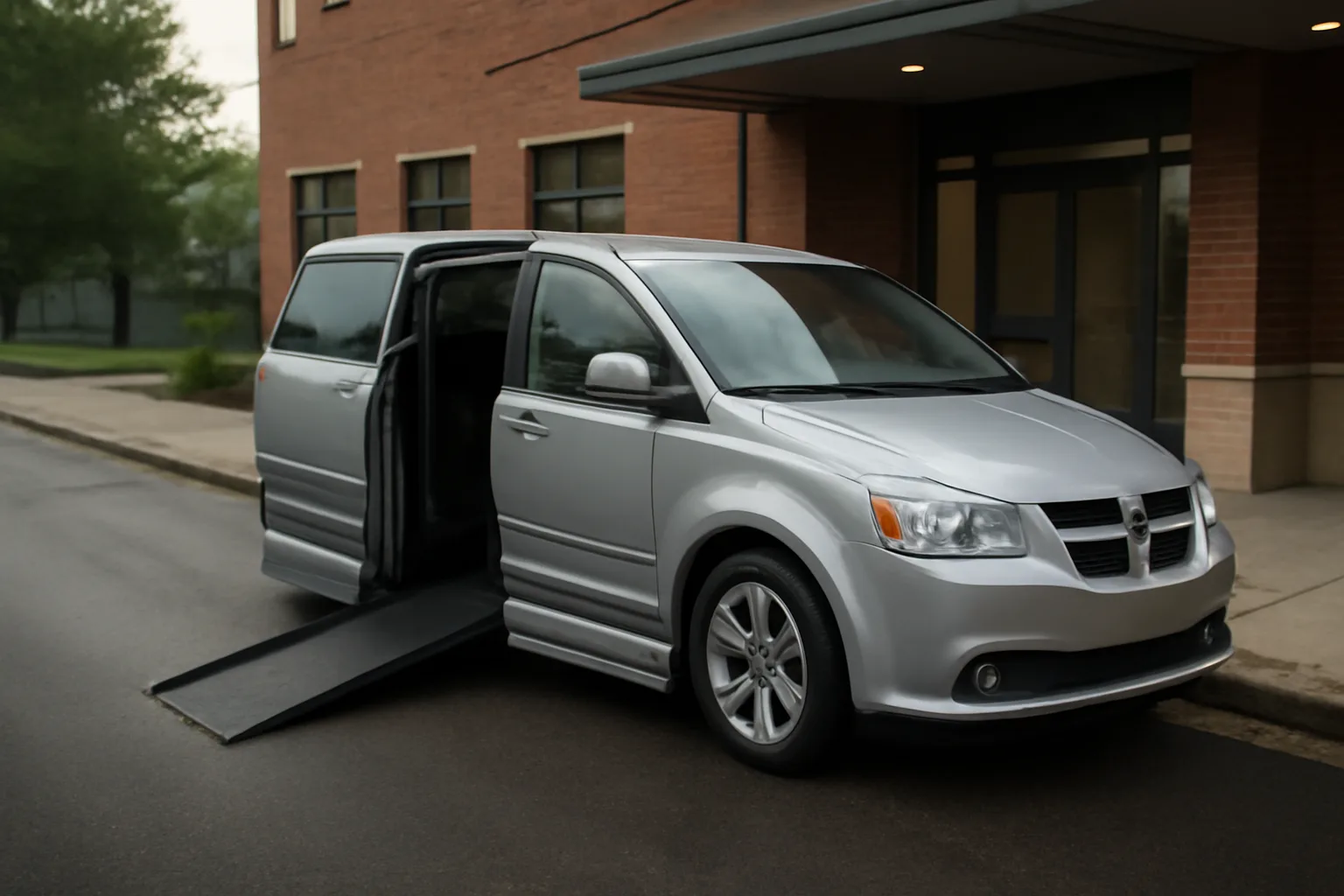
Starting a NEMT company in Chicago follows a fairly consistent order, even though the exact forms and fees change. Here's the realistic sequence. 1. Form your business entity (LLC is common for small operators) and get an EIN from the IRS. Decide if you're a sole proprietor with one van or planning multiple vehicles from day one, since that affects your insurance and licensing tier. 2. Get commercial auto insurance for wheelchair-accessible vehicle transport. This is not standard personal auto or even standard commercial insurance; brokers and Illinois require specific NEMT liability limits, and this is often the line item new owner-operators underestimate most. 3. Buy or convert a wheelchair-accessible vehicle. A new mobility van with a factory or upfit wheelchair conversion commonly runs in the $50,000 to $80,000+ range, while a used converted minivan can run $20,000 to $40,000 depending on age, mileage, and lift/ramp condition. Get any used conversion inspected by a mobility equipment dealer before you buy, since ramp and tie-down system failures are a common source of post-purchase repair costs. 4. Register the vehicle, get required city/county chauffeur or livery permits if Chicago or Cook County requires them for your vehicle class, and complete any required vehicle inspection. 5. Enroll as a Medicaid transportation provider with HFS, and separately apply to become a credentialed vendor with the transportation broker(s) tied to the managed care plans operating in the Chicago area. Expect background checks, driver training documentation, vehicle inspection reports, and proof of insurance as part of both. 6. Set up dispatch and scheduling. Many small operators start with a basic scheduling system or a broker's own dispatch portal before investing in dedicated NEMT software. 7. Train drivers on passenger assistance, wheelchair securement, and any state-required defensive driving or first aid certifications. Brokers typically require documented driver training before they'll dispatch trips to you. None of these steps guarantees broker approval or a certain volume of trips; broker networks sometimes pause new vendor enrollment in oversaturated ZIP codes, and approval timelines vary widely. Build a buffer of a few months between "vehicle purchased" and "first paid trip" into your financial planning. A one-time reference kit that maps out state Medicaid enrollment plus broker credentialing paperwork side by side (like RideCredential's $199 State + Broker NEMT Launch Kit at /launch-kit-builder) can save real time here, mainly by keeping the state and broker requirements from getting confused with each other, which is the single most common early mistake.
How do you start a medical transportation business with one van?
You can start with a single wheelchair van in Chicago, and plenty of owner-operators do. The math and the paperwork don't shrink much just because you only have one vehicle, though. Insurance minimums, broker credentialing requirements, and HFS enrollment steps generally apply the same way whether you have one van or ten. What changes with one van is your risk exposure: if that vehicle is in the shop or your one driver is sick, you have zero capacity that day. Some brokers ask about backup vehicle plans or subcontracting arrangements during credentialing, specifically because single-vehicle vendors have this fragility. Realistic one-van startup costs in Chicago break down roughly like this: vehicle ($20,000 used to $80,000+ new), commercial NEMT insurance (varies heavily by driving record and coverage limits, often several thousand dollars a year), business registration and city/county permits (typically a few hundred dollars), driver training and background check fees, and a cash buffer for the gap between passing credentialing and getting your first dispatched trips. Total realistic startup capital for one van, insurance, and buffer commonly lands somewhere between $25,000 and $60,000, sometimes more if you buy new. A lot of one-van operators lease or finance the vehicle rather than paying cash, which changes the monthly math but not the credentialing requirements.
How do you start a non-emergency medical transportation business (the compliance side)?
Beyond the vehicle and the business paperwork, the compliance side is where most new Chicago NEMT operators get tripped up, mainly because state Medicaid rules and broker rules are not the same thing and don't move on the same timeline. State Medicaid enrollment (through HFS) establishes you as a recognized Medicaid transportation provider under Illinois's rules, including the provider participation requirements published in HFS's medical transportation provider handbook [5]. Broker credentialing is a separate, private-contract process where each broker sets its own vendor application, insurance certificate requirements, vehicle age limits, driver background check standards, and sometimes its own driver training modules on top of anything the state requires. A driver background check that satisfies HFS might not automatically satisfy a specific broker's vendor policy, and a broker's insurance certificate requirement might exceed the state's stated minimum. Always get the current requirements in writing from both HFS and the specific broker(s) you're applying to, since verbal guidance changes and neither party is obligated to tell you about the other's rules. See also non emergency medical transportation and non emergency medical transportation services for how other states structure this same dual-track process, since the general pattern (state enrollment plus separate broker credentialing) shows up nationally, more than in Illinois.
What vehicle and driver standards apply to Chicago NEMT operators?
Illinois Medicaid transportation providers are expected to meet vehicle safety, cleanliness, and accessibility standards, and drivers typically need background checks, valid driver's licenses appropriate to the vehicle class, and training in passenger assistance and wheelchair securement. HFS's medical transportation provider handbook outlines baseline expectations for enrolled providers [5], and individual brokers layer additional requirements on top. Common broker-level asks include: vehicle age limits (often a maximum vehicle age of somewhere around 8 to 10 years, though this varies by broker and changes over time), documented preventive maintenance records, working wheelchair lifts or ramps with current inspection tags, two-way communication equipment in the vehicle, and driver drug testing programs. Don't assume a used mobility van that passed a dealer inspection automatically satisfies broker vehicle-age or maintenance-documentation rules. Get the specific broker's vehicle inspection checklist before you buy a used vehicle, not after.
How much does it cost to start a wheelchair-van NEMT business in Chicago?
| Wheelchair van (used, converted) | $20,000 to $40,000 | |
|---|---|---|
| Wheelchair van (new, factory conversion) | $50,000 to $80,000+ | |
| Commercial NEMT auto insurance (annual) | Several thousand dollars, varies heavily by driver history and coverage limits | |
| Business entity setup + city/county permits | A few hundred dollars | |
| Driver background checks + training | A few hundred dollars per driver | |
| Cash buffer during credentialing gap | Several thousand dollars, since approval timelines vary | These are planning ranges, not quotes, and none of them are guarantees of what you'll pay or how fast you'll get approved. Insurance in particular swings a lot based on your specific driving record, vehicle type, and the coverage limits your target brokers require. |
Costs vary by whether you buy new or used, how much insurance coverage you carry, and how quickly you get through credentialing. Here's a realistic range breakdown for a single-vehicle Chicago startup. | Cost item | Typical range |
What documents do you need for state Medicaid enrollment and broker credentialing?
Expect to assemble roughly the same core packet for both HFS enrollment and broker applications, even though the forms differ: business entity documents (articles of organization, EIN letter), proof of commercial auto insurance meeting the required limits, vehicle registration and inspection records, driver's license and background check results for each driver, driver training certificates (passenger assistance, wheelchair securement, sometimes CPR/first aid), and a completed provider or vendor application specific to HFS or the broker. Some brokers also require a signed vendor agreement outlining trip rates, cancellation policies, and no-show billing rules before they'll activate you in their dispatch system. Read that agreement closely, since rate structures and cancellation payment policies vary a lot broker to broker and directly affect your cash flow. Because exact document lists and fee amounts change over time and by broker, confirm the current checklist directly with HFS and with each broker before you assume you're ready to submit.
NEMT vs. ambulance vs. Medicare transport: what's the difference?
| Service type | Who pays (typically) | Vehicle type | Medical need level | |
|---|---|---|---|---|
| NEMT (ambulatory/wheelchair) | Medicaid managed care broker or HFS fee-for-service | Sedan, minivan, wheelchair van | Routine appointment, no emergency care needed en route | |
| Stretcher van NEMT | Medicaid broker (in most states) | Stretcher-equipped van | Can't sit upright, not in medical crisis | |
| Ambulance transport | Medicaid (ambulance benefit), Medicare (if medically necessary) | Licensed ambulance | Emergency or requires medical monitoring/care en route | |
| Medicare Advantage supplemental transport | Specific MA plan, if offered | Varies by plan vendor | Plan-defined, not a standard Medicare benefit | The practical takeaway: a wheelchair-van owner-operator in Chicago is building a NEMT business, not an ambulance business, and should not represent services as ambulance-level care without the separate EMS licensure that requires. For the national baseline definitions this table is built from, see what is non emergency medical transportation and emergency medical transport. |
Frequently asked questions
What is non-emergency medical transportation?
Non-emergency medical transportation (NEMT) is scheduled transport, by sedan, minivan, or wheelchair van, for people who need to reach medical appointments but don't need ambulance-level care. Federal Medicaid rules at 42 CFR 431.53 require states to ensure enrollees have necessary transportation to covered services, which is the legal basis for NEMT programs nationwide, including Illinois's.
Does Medicaid cover ambulance rides?
Yes, Medicaid covers ambulance rides when they're medically necessary, but that's a separate benefit category from NEMT, billed by licensed ambulance providers under emergency medical services rules, not by NEMT wheelchair van operators. Confirm specific billing rules with HFS since ambulance and NEMT enrollment are handled differently.
Does Medicare cover medical transportation?
Original Medicare covers ambulance transportation only when other transport would endanger the patient's health, per Medicare's ambulance coverage rules. It generally does not cover routine non-emergency wheelchair van or sedan rides. Some Medicare Advantage plans offer limited NEMT as a supplemental benefit, but that varies by plan and isn't a standard Medicare entitlement.
How do I start a NEMT business in Chicago?
Form a business entity, get commercial NEMT insurance, buy or convert a wheelchair-accessible vehicle, meet city/county vehicle and permit requirements, enroll as a Medicaid transportation provider with HFS, and separately apply for broker credentialing with the managed care plans' transportation networks operating in the Chicago area. Expect months, not weeks, between purchase and your first paid trip.
How much does it cost to start a wheelchair-van NEMT business?
A realistic single-vehicle startup in Chicago runs roughly $25,000 to $60,000 or more, covering the vehicle ($20,000 used to $80,000+ new), commercial NEMT insurance, permits, driver background checks and training, and a cash buffer for the credentialing gap before dispatched trips begin paying.
Can I start a NEMT business with just one van?
Yes, many Chicago owner-operators start with a single wheelchair van. Insurance and credentialing requirements don't shrink for one vehicle, though, and some brokers ask about backup capacity, since a single-vehicle vendor has no redundancy if that van or driver is unavailable.
Is Illinois Medicaid enrollment the same as broker credentialing?
No. HFS enrollment makes you a recognized Illinois Medicaid transportation provider for fee-for-service claims. Broker credentialing is a separate, private-contract process with each managed care plan's transportation broker, with its own application, insurance, and vehicle requirements. Most Chicago-area Medicaid transportation volume flows through managed care brokers, so both steps usually matter.
What's the difference between NEMT and ambulance transport?
NEMT is for routine appointments when the rider needs no medical care en route, using sedans, minivans, or wheelchair vans. Ambulance transport is for emergencies or cases requiring medical monitoring during the ride, using licensed ambulances billed separately from NEMT under Medicaid and Medicare rules.
Do I need special driver training for Chicago NEMT work?
Yes, drivers typically need background checks and documented training in passenger assistance and wheelchair securement, and HFS and individual brokers may require additional certifications like CPR or first aid. Requirements vary by broker, so confirm the current list with each broker and with HFS before hiring.
What kind of insurance does a Chicago NEMT operator need?
You need commercial auto insurance specifically covering wheelchair-accessible vehicle transport for hire, at coverage limits that meet or exceed both HFS's requirements and each broker's vendor policy. Standard personal or generic commercial auto insurance usually isn't sufficient; get quotes from insurers experienced with NEMT fleets.
How long does NEMT credentialing take in Chicago?
Timelines vary widely depending on HFS processing volume and each broker's vendor application backlog, and neither state agencies nor brokers publish guaranteed turnaround times. Build a financial buffer of a few months between finishing your application and getting your first dispatched, paid trip.
Does Illinois Medicaid cover stretcher van transport?
Stretcher van transport, for people who can't sit upright but aren't in medical crisis, is generally handled through the same Medicaid managed care broker networks as other NEMT, though vehicle and staffing requirements differ from ambulatory or wheelchair van service. Confirm stretcher-specific credentialing requirements directly with HFS and your target broker.
Sources
- eCFR, 42 CFR 431.53 (Assurance of transportation): Federal Medicaid regulation requiring states to ensure necessary transportation for enrollees to and from providers
- Medicaid.gov, Non-Emergency Medical Transportation: NEMT is described as a distinct Medicaid transportation assurance separate from ambulance services
- Medicare.gov, Ambulance Services coverage: Medicare covers ambulance transportation only when medically necessary and other transportation would endanger health
- Illinois Department of Healthcare and Family Services, HealthChoice Illinois Managed Care Program: Illinois Medicaid delivers benefits, including transportation, through managed care organizations under the HealthChoice Illinois program
- Illinois Department of Healthcare and Family Services, Medical Transportation Provider Handbook: Illinois Medicaid sets provider participation, vehicle, and driver requirements for medical transportation providers