Last updated 2026-07-24
TL;DR
Non-emergency medical transportation (NEMT) in Honolulu means driving Medicaid members (QUEST Integration) to routine medical appointments, not 911 calls. To operate, you enroll as a Hawaii Medicaid provider, credential with the state's NEMT broker under contract, insure a wheelchair-accessible van, and pass a vehicle/driver inspection. Confirm current broker and enrollment specifics with Hawaii Med-QUEST and your assigned broker before buying a vehicle.
What is non-emergency medical transportation (NEMT)?
Non-emergency medical transportation is scheduled transportation to and from covered medical services for people who don't need an ambulance but can't drive themselves or use regular transit. Think dialysis three times a week, chemo infusions, physical therapy, or a routine OB appointment. The federal Medicaid rule that makes this a covered benefit sits at 42 CFR 431.53, which requires states to "ensure necessary transportation for recipients to and from providers" [1]. States can run this benefit directly or contract it out to a broker, and Hawaii, like most states now, uses a broker model layered on top of its managed care plans. In Honolulu specifically, NEMT usually means a wheelchair van, an ambulatory sedan, or a stretcher van picking someone up at home and taking them to a dialysis center, a clinic on Beretania Street, or a specialist visit in Kaka'ako. It is not a lights-and-sirens response. If you're picturing an ambulance crew, that's emergency medical services (EMS), a completely different license, vehicle type, and payer pathway. NEMT drivers generally don't provide medical care beyond basic passenger assistance and, in some cases, wheelchair securement. Hawaii's Medicaid program is called Med-QUEST, and most enrollees get their benefits, including transportation, through one of the QUEST Integration managed care plans. That matters a lot for how you get paid: you're rarely billing the state directly. You're almost always billing (or getting dispatched by) a transportation broker under contract with Med-QUEST or with the individual health plans.
Does Medicaid cover ambulance rides, and how is that different from NEMT?
Yes, Medicaid covers ambulance transportation, but only when it meets medical necessity standards for emergency or medically necessary transport, and it is billed and regulated completely differently from NEMT. Ambulance services fall under EMS licensing and separate Medicaid billing codes; NEMT is the non-emergency, wheelchair-van-and-sedan side of the business. CMS guidance and state Medicaid manuals draw a hard line here: ambulance claims require documentation that the beneficiary's condition at the time of transport made any other means of transportation medically inadvisable [2]. A dialysis patient who can sit upright in a wheelchair van doesn't qualify for an ambulance claim just because they're frail. If you're building a wheelchair-van business, you are not competing with ambulance companies for reimbursement, and you generally don't need EMS licensure or an EMT certification to drive a wheelchair van (Hawaii driver requirements are covered later in this article, and you should confirm current rules with the Hawaii Department of Transportation and Med-QUEST). So to directly answer the common question: does Medicaid cover ambulance rides? Yes, when medically necessary and properly documented. Does Medicaid cover medical transportation generally, meaning the non-emergency kind too? Also yes, under the transportation assurance rule at 42 CFR 431.53, which is the same regulation that creates the NEMT benefit.
Does Medicare cover medical transportation?
Medicare's coverage of non-emergency transportation is much narrower than Medicaid's. Original Medicare (Part B) covers ambulance transportation when it's medically necessary, but it does not have a standalone non-emergency NEMT benefit the way Medicaid does. Some Medicare Advantage plans offer limited non-emergency transportation as a supplemental benefit, but that varies by plan and by year, and CMS explicitly leaves it up to individual Medicare Advantage insurers to decide whether to include it [3]. This is a critical business point for anyone starting an NEMT company in Honolulu: your steady, contractible revenue is almost entirely a Medicaid and Medicaid managed-care story, not a traditional Medicare story. If a rider is dual-eligible (both Medicare and Medicaid), their non-emergency rides are typically arranged and paid through the Medicaid side, meaning through Med-QUEST's contracted broker, not through Medicare Part B. Some owner-operators do build separate private-pay or Medicare Advantage supplemental-benefit contracts on the side once they're established, but that's a second business line, not the foundation. Don't build your first-year plan assuming Medicare fee-for-service will pay for routine wheelchair-van trips, because for the most part it won't.
How do you start a medical transportation business in Honolulu, step by step?
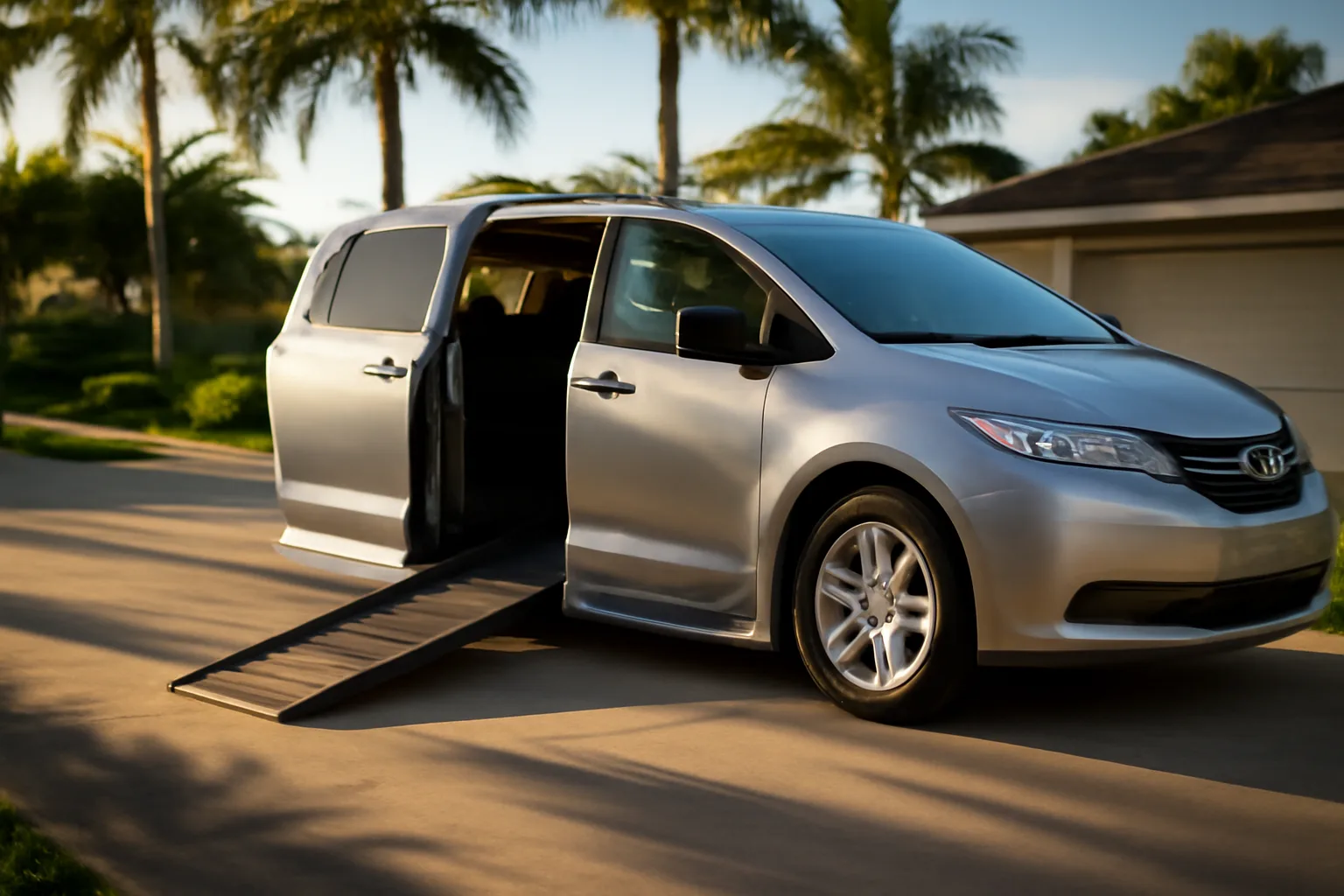
Starting a medical transportation business in Honolulu follows roughly the same sequence as anywhere else in Hawaii, with a few island-specific wrinkles around vehicle sourcing, permitting, and licensed drivers. Here is the order that actually works, based on how state Medicaid enrollment and broker credentialing processes are structured nationally and in Hawaii. 1. Register the business entity (LLC is standard) with the Hawaii Department of Commerce and Consumer Affairs, and get a federal EIN. 2. Get general liability and commercial auto insurance quotes early, because insurers need to know your vehicle type, and you need those figures for your budget before you buy a van. 3. Buy or lease a wheelchair-accessible van (details below) and get it registered, inspected, and permitted for commercial passenger use in Hawaii. 4. Enroll as a Hawaii Medicaid (Med-QUEST) provider. This is a state-level application, separate from any broker paperwork, and it's the step people skip or delay at their own cost. 5. Apply for credentialing with the transportation broker currently contracted to Med-QUEST or to the individual QUEST Integration health plans in Oahu. Confirm the current broker name and contract terms directly with Med-QUEST, since state broker contracts can and do change hands. 6. Pass the broker's vehicle inspection and driver background check/credentialing process. 7. Set up dispatch, scheduling, and billing workflows before your first ride, not after. The most common mistake is buying the van first and figuring out enrollment later. Flip that: confirm what the state and broker actually require for vehicle specs (ramp vs. lift, tie-down count, minimum interior clearance) before you sign a purchase agreement, so you're not retrofitting a van that fails inspection.
How do you start an NEMT business with just one van?
You can absolutely start a wheelchair-van NEMT business in Honolulu with a single vehicle; most owner-operators do exactly that, and there is no federal or Hawaii state rule requiring a minimum fleet size to enroll as a Medicaid provider or to credential with a broker. What one-van operators need to get right: insurance coverage adequate for commercial passenger transport (not a personal auto policy), a vehicle that meets the broker's accessibility specs (working ramp or lift, functioning tie-downs, current inspection sticker), and realistic scheduling. With one van, you cannot run two simultaneous dialysis pickups across town, so be honest with the broker's dispatch system about your actual capacity and availability windows. Overpromising availability is the fastest way to get flagged for missed pickups, which brokers track and can use to suspend or terminate your contract. Most brokers also require a backup plan for vehicle downtime (breakdowns, scheduled maintenance) even for single-vehicle operators, so ask the broker directly what their policy is if your one van is in the shop. Some allow you to subcontract a ride to another credentialed provider; some don't. Get that answer in writing before you need it. One-van operators should also plan for the reality that credentialing and enrollment together, done right, commonly take 60 to 120 days from application to your first paid ride, based on typical state Medicaid enrollment and broker credentialing timelines reported by NEMT providers nationally. Confirm current Hawaii-specific timelines with Med-QUEST and your broker, since processing times shift with staffing and application volume.
What does Hawaii Medicaid (Med-QUEST) enrollment actually require?
Hawaii Medicaid provider enrollment for NEMT transportation companies goes through the Med-QUEST Division, and the application generally requires proof of business registration, an active Hawaii driver's license and clean driving record for each driver, vehicle registration and insurance documents, and a completed provider enrollment application specific to transportation providers. Med-QUEST also requires providers to comply with federal Medicaid program integrity rules, including background checks and exclusion screening against the OIG's List of Excluded Individuals/Entities (the LEIE). If any owner, officer, or driver shows up on that federal exclusion list, the application gets denied, full stop. Run that check yourself before you apply; it's free and takes minutes on the OIG's website. Because Hawaii runs Medicaid through managed care (QUEST Integration), a lot of the practical, day-to-day credentialing work happens at the broker level, not directly with Med-QUEST staff. But the state-level Medicaid provider enrollment is still the legal foundation, and you generally need to complete it (or at least have it actively in process) before a broker will fully activate your contract. Confirm the current sequencing (state enrollment first vs. parallel applications) directly with Med-QUEST, since exact process order can shift. For a broader look at how state Medicaid transportation programs are structured outside Hawaii, see our medical transportation and non emergency medical transportation guides.
How does broker credentialing work in Honolulu?
Regardless of which broker currently holds the Hawaii Med-QUEST transportation contract, credentialing typically covers four things: business documentation, vehicle inspection, driver background screening, and insurance verification. Major national brokers like Modivcare, MTM, Access2Care, and SafeRide all use variations of this same core process across the states where they operate, though Hawaii's specific contracted broker and its exact requirements should be confirmed directly with Med-QUEST, since state broker contracts are periodically re-bid. Expect the broker application to ask for: your Hawaii Medicaid provider number (or proof of active enrollment), certificate of insurance naming the broker as an additional interested party or certificate holder, vehicle photos and inspection results showing ramp/lift function and tie-down condition, and driver documents including a motor vehicle record (MVR) pull, background check consent, and often a drug screen. Most brokers also require ongoing compliance: annual vehicle re-inspection, updated insurance certificates when policies renew, and re-screening of drivers against exclusion lists on a recurring basis (often monthly or quarterly, per federal program integrity expectations). Missing a renewal deadline is a common, entirely avoidable reason credentialed providers get suspended from a broker's active roster. If you want a structured way to organize the state enrollment paperwork and broker credentialing checklist side by side instead of hunting through separate portals, that's the exact gap our $199 one-time Launch Kit is built to close. It's a paperwork organizer and checklist tool, not a guarantee of approval; every application still goes through Med-QUEST's and the broker's own review.
What vehicle and driver requirements apply to wheelchair vans in Honolulu?
Hawaii doesn't have a single unified statewide NEMT vehicle code the way some states do; instead, vehicle standards typically come from a combination of Hawaii Department of Transportation vehicle safety and inspection requirements, county-level commercial vehicle permitting on Oahu, and the specific accessibility standards written into your broker's contract. Confirm the current combined requirements directly with the Hawaii DOT and your broker, since standards can differ by county and by broker contract cycle. Generally, brokers require: a working wheelchair ramp or lift rated for the chair weights you'll transport, a minimum number of functioning four-point tie-down systems, an accessible route from the ramp to the securement area with adequate interior clearance, a current annual state vehicle safety inspection, and functioning interior/exterior lighting appropriate for passenger transport. Some brokers also require specific signage, first-aid kits, and fire extinguishers onboard, consistent with common NEMT vehicle standards used across brokers nationally. Drivers generally need a valid Hawaii driver's license appropriate to the vehicle class, a clean or explainable MVR, passage of a background check, and in many broker contracts, completion of passenger assistance and wheelchair securement training (sometimes broker-provided, sometimes third-party). CPR/First Aid certification is commonly required or strongly preferred, though exact requirements vary by broker; confirm current training mandates before you schedule your first driver orientation. For detail on how vehicle specs and driver training requirements compare across different state programs, our nemt transportation guide and [drivers-and-training hub content are useful next reads].
How much does it cost to start an NEMT business with one wheelchair van?
| Used wheelchair-accessible van (conversion already done) | $25,000 to $45,000 | Mileage and ramp/lift condition drive the range | |
|---|---|---|---|
| New factory wheelchair van conversion | $55,000 to $75,000+ | Brand new chassis plus mobility conversion | |
| Commercial auto insurance (annual) | $6,000 to $15,000+ | Varies heavily by driving record, coverage limits, claims history | |
| Business registration and EIN | $50 to a few hundred dollars | Hawaii LLC filing fees vary by entity type | |
| State Medicaid provider enrollment | Typically no direct fee, but requires document prep time | Confirm current fee status with Med-QUEST | |
| Broker credentialing (background check, drug screen, MVR pull) | $50 to $200 per driver, commonly | Costs vary by vendor the broker uses | These figures are general market ranges, not Hawaii-specific published fee schedules, so treat them as planning estimates and get current local quotes before committing. The single biggest line-item risk for new owner-operators is underinsuring the vehicle to save money upfront; a lapse or gap in commercial auto coverage is one of the fastest ways to get dropped from a broker's active roster, on top of the personal liability exposure. |
Costs vary widely by whether you buy new or used, and whether you convert a van yourself or buy a factory wheelchair-accessible conversion, but here's a realistic range based on typical market pricing for wheelchair-accessible vans and standard startup line items. | Startup item | Typical range | Notes |
What does a typical Honolulu NEMT trip actually look like?
A typical dispatched trip starts with the broker's scheduling system (phone, app, or web portal, depending on the broker) sending you a pickup window, usually the day before for routine recurring appointments like dialysis, or with more lead time for one-off specialist visits. You confirm, arrive within the broker's on-time window (commonly 10 to 15 minutes before or after the scheduled pickup, though exact windows vary by broker contract), assist the passenger into the vehicle, secure the wheelchair with the required tie-down points, and drive to the appointment. On Oahu specifically, plan around H-1 and H-201 traffic patterns during morning and afternoon rush windows, since a dialysis run that takes 20 minutes at 10 a.m. can take 40 minutes at 4:30 p.m. Brokers generally expect you to build that buffer into your own scheduling, not to call and blame traffic after a late pickup. After drop-off, you log the trip completion in whatever system the broker uses (mileage, times, sometimes a signature or verification code from the facility), because that record is what triggers your payment. Missing or incomplete trip documentation is one of the most common reasons for delayed or denied broker payments, so treat trip logging as part of the job, not paperwork you'll get to later.
What ongoing compliance keeps your NEMT contract active?
Staying credentialed is an ongoing obligation, not a one-time approval. Brokers and Med-QUEST both expect continuous compliance, and the most common triggers for suspension are lapsed insurance, expired vehicle inspections, and missed exclusion-list re-screening. Federal rules require state Medicaid programs to screen providers against exclusion databases on an ongoing basis, and CMS guidance directs states to check the OIG exclusion list and the System for Award Management (SAM.gov) exclusion records regularly, more than at initial enrollment. If a driver you hire six months in shows up on that list later, or gets excluded after you've onboarded them, that's a compliance event you're responsible for catching. Other recurring obligations typically include: annual vehicle re-inspection, insurance certificate renewal submitted to the broker before the old one expires, periodic driver MVR re-pulls, and responding to any complaint or quality-of-service review the broker initiates. Keep a simple calendar (a spreadsheet is fine) with every renewal date for every vehicle and driver, because brokers do not generally send friendly reminders before deactivating a lapsed provider.
Non-emergency medical transportation vs. emergency medical transport: what's the real difference?
The core difference is medical necessity and vehicle/staffing level, more than the word "emergency." Emergency medical transport involves ambulances, EMT or paramedic-level staff, and situations where the patient's condition requires monitoring or intervention during transit. Non-emergency medical transportation involves wheelchair vans, stretcher vans, or ambulatory sedans, and drivers who provide passenger assistance but not clinical care. Billing and regulation reflect that split. Ambulance transport is billed under specific CMS ambulance fee schedule codes and requires documentation of medical necessity for the mode of transport itself [2]. NEMT is authorized under the broader Medicaid transportation assurance regulation and is typically arranged through a broker rather than billed fee-for-service directly to the state [1]. If you're deciding which business to start, the licensing bar for EMS is dramatically higher (state EMS certification, ambulance permitting, clinical staffing requirements) than for wheelchair-van NEMT. Most new owner-operators in Honolulu start with NEMT specifically because the vehicle and driver requirements are more accessible to a small business without a clinical staffing model. For more on how these categories are defined and regulated, see our emergency medical transport guide.
Frequently asked questions
What is non-emergency medical transportation (NEMT)?
NEMT is scheduled transportation for people who need a ride to medical appointments (dialysis, therapy, specialist visits) but don't require an ambulance. It's a required Medicaid benefit under 42 CFR 431.53, usually delivered through wheelchair vans, stretcher vans, or ambulatory sedans, and coordinated through a state's contracted transportation broker rather than billed directly like ambulance services.
Does Medicaid cover ambulance rides?
Yes. Medicaid covers ambulance transportation when it's medically necessary, meaning the patient's condition at the time makes any other transport mode medically inadvisable. This is billed separately from NEMT under distinct ambulance fee schedule codes and requires specific documentation supporting medical necessity for that trip.
Does Medicare cover medical transportation?
Original Medicare covers ambulance transportation when medically necessary but has no standalone non-emergency NEMT benefit like Medicaid does. Some Medicare Advantage plans offer limited non-emergency transportation as a supplemental benefit, but this varies by plan and year, so it isn't a reliable revenue foundation for a new NEMT business.
How do you start a medical transportation business in Honolulu?
Register your business entity, secure commercial insurance, buy a wheelchair-accessible van meeting broker specs, enroll as a Hawaii Medicaid (Med-QUEST) provider, get credentialed with the Med-QUEST contracted transportation broker, and pass vehicle and driver inspections. Confirm current sequencing and requirements directly with Med-QUEST and your broker before purchasing a vehicle.
How do you start an NEMT business with just one van?
You can start with a single wheelchair van; there's no state or federal minimum fleet size for Medicaid enrollment or broker credentialing. Get adequate commercial insurance, meet the broker's vehicle accessibility specs, and be realistic with dispatch about your one-vehicle capacity and any planned maintenance downtime.
How much does it cost to start a wheelchair-van NEMT business?
Expect $25,000 to $75,000+ for the vehicle depending on new versus used and conversion type, plus $6,000 to $15,000+ annually for commercial auto insurance, modest business registration fees, and per-driver background check and drug screen costs typically running $50 to $200 each. Get current local insurance quotes before finalizing your budget.
What is the difference between NEMT and emergency medical transport?
NEMT uses wheelchair vans or sedans for scheduled, non-emergency appointments and drivers who assist but don't provide clinical care. Emergency medical transport uses ambulances staffed by EMTs or paramedics for situations requiring monitoring or intervention during transit, with separate licensing, billing codes, and much higher regulatory requirements.
Do I need an EMT certification to drive a wheelchair van in Honolulu?
Generally no. Wheelchair-van NEMT drivers typically need a valid Hawaii driver's license, a clean background check and driving record, and often passenger assistance/wheelchair securement training, but not EMT or paramedic certification. Confirm exact current requirements with your credentialing broker and the Hawaii Department of Transportation.
How long does Hawaii Medicaid and broker credentialing take?
Combined state Medicaid enrollment and broker credentialing commonly takes 60 to 120 days from application to first paid ride for many NEMT owner-operators nationally, though exact Hawaii timelines depend on Med-QUEST processing volume and the current broker's review process. Confirm current timelines directly with Med-QUEST and your broker before setting a launch date.
Which broker manages NEMT for Hawaii Medicaid?
Hawaii's Med-QUEST Division contracts NEMT brokerage services, and the specific contracted broker (which may be a national company like Modivcare, MTM, Access2Care, or another vendor) can change when contracts are re-bid. Confirm the current broker and its credentialing process directly with Med-QUEST before starting your application.
What vehicle features does a wheelchair van need for NEMT contracts?
Brokers typically require a working wheelchair ramp or lift, functioning four-point tie-down securement systems, adequate interior clearance for wheelchair maneuvering, a current state vehicle safety inspection, and working interior/exterior lighting. Some also require onboard first-aid kits and fire extinguishers. Confirm exact specs with your assigned broker before purchasing a vehicle.
Can I run an NEMT business as a solo owner-operator with no employees?
Yes, many Honolulu NEMT providers start as a solo owner-operator driving their own single wheelchair van. You still need to complete the same business registration, Medicaid enrollment, insurance, and broker credentialing steps as a larger company; there's no owner-operator exemption from those requirements.
What happens if my insurance or vehicle inspection lapses?
Most brokers suspend or deactivate providers whose insurance certificate expires or whose vehicle inspection lapses, since both are conditions of an active contract. Reinstatement usually requires resubmitting current documents and can take days to weeks depending on the broker, so renew both well before expiration dates.
Sources
- Electronic Code of Federal Regulations, 42 CFR 431.53 (Assurance of transportation): States must ensure necessary transportation for Medicaid recipients to and from providers
- Medicaid.gov, Medical Transportation: Ambulance and non-emergency medical transportation are distinct covered benefits with different medical necessity and billing standards
- Medicare.gov, Ambulance Services: Original Medicare covers ambulance transportation only when medically necessary and does not have a standalone routine non-emergency transportation benefit
- eCFR: Defines nonemergency transportation as an optional Medicaid benefit under federal regulations
- Federal Motor Carrier Safety Administration: Establishes periodic inspection requirements for commercial vehicles, including wheelchair-accessible vans
- U.S. Department of Transportation: Outlines ADA requirements for accessible vehicles used in wheelchair transport services