Last updated 2026-07-25
TL;DR
There's no single "medical transportation license." You need a business entity, state vehicle/operating permits (rules vary by state), driver background checks, commercial auto insurance, then separate state Medicaid provider enrollment and broker credentialing (Modivcare, MTM, others) before you can bill for rides. Budget weeks to months, not days.
What is NEMT and why does licensing feel so scattered?
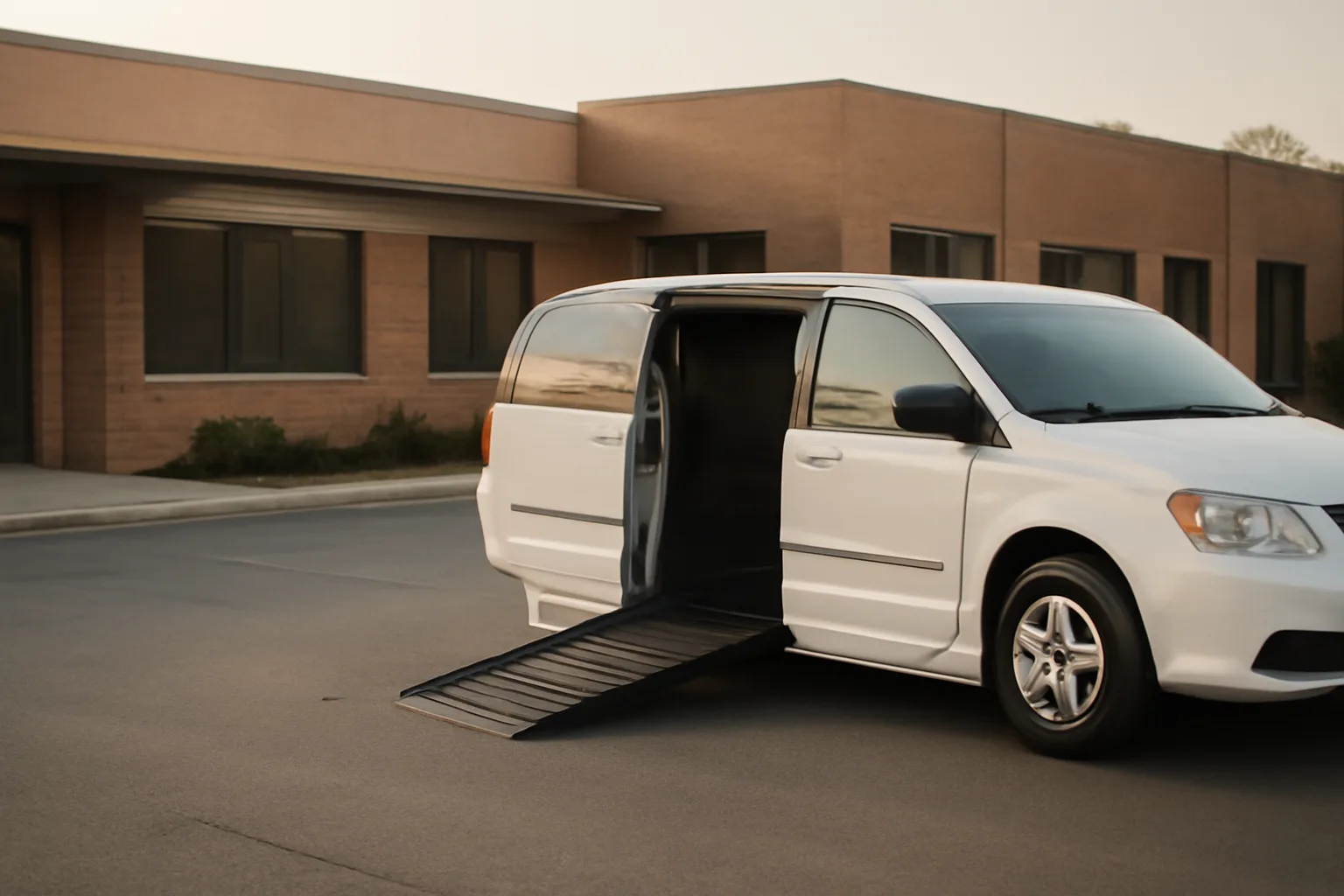
NEMT stands for non-emergency medical transportation. It's transportation for Medicaid (and sometimes Medicare Advantage) members who need to get to a medical appointment, dialysis, or pharmacy but don't need an ambulance. Think wheelchair vans, ambulatory sedans, and stretcher vans, not lights-and-sirens rigs. The reason licensing feels scattered is that it actually is scattered. You're not getting one "NEMT license" from one agency. You're stacking several separate approvals: a state business registration, sometimes a state or county transportation/livery permit, driver requirements set by your state and by whoever brokers your rides, vehicle inspection and ADA equipment rules, insurance minimums, and then Medicaid provider enrollment plus broker credentialing on top of all of that. Centers for Medicare & Medicaid Services (CMS) describes NEMT as a required benefit for state Medicaid programs to ensure enrollees can get to covered care when they have no other means of transportation, and states run the actual logistics through a State Medicaid transportation unit or a contracted broker [1]. That single federal requirement is why every state has *some* version of NEMT enrollment, but the licensing details (business permits, vehicle rules, driver background check depth) are set state by state, sometimes county by county. If you want the fastest orientation to how this fits together, the NEMT overview is a good starting map before you chase individual permits.
How do you start a medical transportation business, step by step?
Here's the realistic order of operations, based on how state Medicaid transportation units and brokers actually structure enrollment. Skipping steps usually means redoing paperwork later, so don't shortcut this. 1. Form your business entity (LLC or corporation) with your Secretary of State and get an EIN from the IRS. 2. Get your state and, if applicable, local transportation or livery permit. Some states require a separate for-hire vehicle permit through the DMV or a public utilities/transportation commission; others fold this into Medicaid enrollment. 3. Buy or lease your wheelchair van(s) and get them inspected to meet your state's ADA and vehicle safety standards. 4. Line up commercial auto insurance that meets your state's minimum liability limits for for-hire medical transport (this is almost always higher than personal auto minimums). 5. Run driver background checks: most states require checks against sex offender registries, and Medicaid excluded-provider lists, on top of standard criminal history and driving record checks. 6. Enroll as a Medicaid transportation provider with your state Medicaid agency, or apply to the broker(s) contracted to manage NEMT in your state (Modivcare, MTM, Access2Care, SafeRide, or a state-specific broker). 7. Complete broker credentialing: vehicle inspection, driver files, insurance certificates, and often a live orientation or ride-along. 8. Get your NPI (National Provider Identifier) if your state or broker requires one for billing. Each of those steps has its own timeline, and they don't all run in parallel cleanly. Confirm the exact sequence and required documents with your broker and state Medicaid agency, because the order (business permit before Medicaid enrollment, or vice versa) differs by state.
What licenses and permits does a wheelchair van business actually need?
At minimum, expect to need all of the following, though the exact names and issuing agencies vary by state: - Business entity registration (LLC/corp) with your Secretary of State
- Federal EIN
- State or local for-hire/livery vehicle permit (some states call this a "transportation network" or "ambulette" permit)
- Vehicle safety and ADA lift/ramp inspection certificate
- Commercial auto insurance meeting state-set minimums for passenger-for-hire vehicles
- Driver's license class appropriate to your vehicle (usually a standard license is fine for a van under 15 passengers, but confirm with your state DMV)
- Driver background check clearance, often including a state criminal history check and federal exclusion list screening
- State Medicaid provider enrollment number
- Broker credentialing approval from each broker operating in your service area A one-van operator in a rural county and a five-van fleet in a metro area can face genuinely different rule sets, because some states delegate vehicle and driver standards to the broker's contract rather than writing them into state code. That's part of why generic checklists from national blogs get this wrong. The honest answer is: confirm the specific permit list with your state Medicaid transportation unit and each broker before you buy anything.
What is the difference between state Medicaid enrollment and broker credentialing?
State Medicaid enrollment is your legal authorization to bill Medicaid at all. Broker credentialing is a separate, additional approval process required by the private company your state contracts with to manage ride assignment and dispatch. Many states don't pay NEMT claims directly. Instead they contract with a broker (Modivcare, MTM, Access2Care, SafeRide, or a state-specific vendor) who manages driver and vehicle networks, dispatches rides, and pays providers. In those states, being Medicaid-enrolled is necessary but not sufficient. You also have to pass the broker's own credentialing: vehicle inspection standards, driver file requirements, insurance certificate submission, and often a signed transportation provider agreement with the broker itself. In states that run NEMT "in-house" through the Medicaid agency rather than a broker, you'll enroll directly with the state and skip the broker layer, but you'll still face state-set vehicle and driver standards that function the same way credentialing does. Either way, read your state's Medicaid transportation page carefully; some states publish provider manuals that spell out exactly what a broker will ask for [1]. If you want a broader look at how brokers structure this credentialing gauntlet, see non emergency medical transportation for a broker-by-broker breakdown.
Does Medicaid cover ambulance rides?
Yes. Medicaid covers ambulance transportation as part of its medical transportation benefit when the ride is medically necessary and meets state coverage rules, but it's billed and regulated separately from NEMT. Ambulance transport (emergency, lights-and-sirens response, or non-emergency ambulance for patients who need medical monitoring en route) falls under a different set of state Medicaid rules and provider requirements than wheelchair van or sedan NEMT. Ambulance providers generally need EMS licensure through the state's EMS office, more than a transportation business permit. CMS's Medicaid benefits page confirms transportation is a required or optional benefit category depending on the service type, with states setting specific coverage and prior authorization rules [1]. If you're building a wheelchair-van NEMT business, you likely don't need ambulance/EMS licensure at all, since NEMT vehicles aren't ambulances and don't provide clinical care en route. Just don't confuse "NEMT provider enrollment" with "ambulance provider enrollment," they're different application tracks with your state Medicaid agency. For a deeper look at where that line sits, see emergency medical transport.
Does Medicare cover medical transportation?
Medicare's coverage of medical transportation is much narrower than Medicaid's. Original Medicare generally covers ambulance transportation only when other transportation would endanger your health, and it does not cover routine non-emergency rides to appointments the way state Medicaid NEMT benefits do [2]. Medicare.gov states that Medicare Part B covers ground ambulance transportation "when other transportation could endanger your health" and only to the nearest appropriate medical facility [2]. Some Medicare Advantage (Part C) plans offer supplemental NEMT-style benefits as an added perk, but that's plan-specific, not a standard Medicare entitlement, and coverage varies year to year and plan to plan. What this means for your business: if you're building a wheelchair-van NEMT operation, your primary payer relationship is almost always with state Medicaid (through the state or a broker), not traditional Medicare. Medicare Advantage plan contracts are a separate, optional revenue path worth exploring later, but don't build your launch plan assuming Medicare will pay for routine non-emergency rides, because in most cases it won't.
How much does it cost to start a NEMT business with one van?
Costs vary heavily by state and by whether you buy new or used, but the recurring cost categories are consistent everywhere: vehicle, insurance, licensing/permit fees, background checks, and credentialing paperwork time. A used, ADA-compliant wheelchair van typically runs a wide range depending on age, mileage, and lift condition; new mobility vans with factory conversions cost substantially more. Commercial auto insurance for a for-hire wheelchair van is also a real ongoing cost, and it's higher than personal auto coverage because you're carrying passengers for compensation. State and local permit fees are usually a few hundred dollars, though some jurisdictions charge more for livery/for-hire vehicle permits. Background check fees per driver are typically modest, often under $100, but add up if you're screening multiple drivers, and some states require rescreening on a set schedule. The hidden cost most new owner-operators underestimate isn't money, it's time. Gathering the specific documents each broker wants (vehicle inspection reports, insurance certificates naming the broker as certificate holder, signed provider agreements) and getting them all approved in the right sequence is genuinely time-consuming. That coordination work is exactly the kind of thing a launch checklist earns its keep on; RideCredential's $199 State + Broker NEMT Launch Kit is built around exactly that document sequencing across state Medicaid enrollment and broker credentialing, but you can absolutely assemble the same list yourself directly from your state's Medicaid transportation unit and broker provider manuals if you'd rather do it free.
What background check and driver requirements apply to NEMT drivers?
Most states require NEMT drivers to pass a criminal background check, a driving record (motor vehicle report) check, and screening against federal healthcare exclusion lists before they can transport Medicaid members. Brokers frequently add their own additional requirements on top of the state minimum. Common elements across states include: a clean or acceptable driving record over a lookback period (often 3 to 5 years, state-specific), no disqualifying criminal history (violent offenses, fraud, and abuse/neglect convictions are near-universal disqualifiers), and a check against the HHS Office of Inspector General's List of Excluded Individuals/Entities, since employing an excluded individual can jeopardize your entire Medicaid billing relationship [3]. Some states also require sex offender registry checks and drug screening. Brokers often layer on defensive driving certification, passenger assistance training, and CPR/first aid certification as a condition of network approval, even when the state itself doesn't mandate it. If you're the owner-operator and also the driver, you'll go through this same screening on yourself, so budget the same lead time you'd give any other driver hire. For training-specific detail, drivers and training resources cover what brokers typically expect in orientation.
What insurance do you need for a medical transportation business?
You need commercial auto liability insurance sized for passenger-for-hire transport, and most states or brokers set a minimum combined single limit that's higher than personal auto minimums. General liability coverage and, if you have employees, workers' compensation are typically required as well. Exact minimums are set state by state and sometimes broker by broker, so there's no single national number to quote here honestly. What's consistent: insurers underwriting NEMT specifically (not generic commercial auto) will ask about your wheelchair lift/ramp equipment, your driver screening process, and whether you're transporting non-ambulatory passengers, because that changes the risk profile and premium. Brokers will usually require your insurance certificate to name them as an additional certificate holder or additional insured, and they'll want that certificate on file before dispatching rides to you. Don't buy insurance before you know your state's minimum limits and your target broker's certificate requirements; buying the wrong policy and then upgrading it later wastes money. Confirm limits with your state's insurance department and each broker's provider manual before you shop policies.
How is NEMT different from ambulance and other medical transport?
| Licensing authority | State Medicaid agency / broker | State EMS office | |
|---|---|---|---|
| Staff requirement | Trained driver, sometimes passenger assistance | Licensed EMT/paramedic | |
| Clinical care en route | None | Yes | |
| Typical payer | State Medicaid, some MA plans | Medicaid, Medicare, private insurance | |
| Vehicle standard | ADA lift/ramp, safety inspection | EMS-certified ambulance spec | CMS's guidance situates NEMT specifically as the benefit that ensures access "when the beneficiary has no other means of transportation" to Medicaid-covered services [1], separate from the medically-necessary ambulance benefit. If your business plan is one wheelchair van, you're squarely in the NEMT lane, not the ambulance lane, and your licensing path follows the NEMT column above. |
NEMT is transportation for people who need a ride to medical care but don't need medical monitoring or emergency intervention during the trip. Ambulance transport (emergency or non-emergency) involves trained EMS personnel and is licensed and regulated through a completely different state framework. | Feature | NEMT (wheelchair van/sedan) | Ambulance |
Which broker credentialing steps trip up new owner-operators most?
The most common stumbling blocks aren't exotic. They're missing documents, wrong document formats, and sequencing errors, submitting to a broker before state Medicaid enrollment is finalized, for example. A few patterns show up repeatedly: insurance certificates that don't name the broker correctly as certificate holder, vehicle inspection forms submitted on the wrong template, driver files missing a required background check component the broker added beyond the state minimum, and NPI numbers not yet issued when the broker application asks for one. None of these are hard problems, but each one can add weeks of back-and-forth if you don't catch it before submitting. Because Modivcare, MTM, Access2Care, and SafeRide each run their own credentialing process (and each state's contract with them can differ from state to state), there's no universal checklist that's accurate everywhere. The practical fix is to pull the current provider manual or credentialing packet directly from the broker operating in your state and cross-check it against your state Medicaid transportation unit's provider enrollment page before you submit anything. For a broker-by-broker comparison of what each one tends to ask for, see non emergency medical transportation services.
How long does it take to get licensed and credentialed?
Realistically, plan for weeks to a few months from a standing start, not days. Business entity formation is fast (often same-day to a few days online through your Secretary of State). Vehicle permitting and insurance can take one to a few weeks depending on your state's process and inspection scheduling. Medicaid provider enrollment timelines vary widely by state, and broker credentialing on top of that adds its own review period, often several weeks once a complete application is submitted. The single biggest variable is completeness of your first submission. Incomplete applications (missing a background check result, an insurance certificate with the wrong effective date, a vehicle inspection that's expired by the time the broker reviews it) restart the clock. States and brokers don't publish guaranteed processing times, and nobody offers approval guarantees, so build slack into your launch timeline rather than assuming the fastest-case scenario you've read online. If you're running this process solo, the practical move is to request the current provider manual and credentialing checklist from your state Medicaid transportation unit and your target broker(s) on day one, then build your document list backward from their actual requirements rather than a generic template.
Frequently asked questions
How do you start a medical transportation business?
Form your business entity, get state/local for-hire vehicle permits, buy and inspect a compliant wheelchair van, secure commercial auto insurance, pass driver background checks, then enroll with your state Medicaid agency and complete broker credentialing (Modivcare, MTM, Access2Care, SafeRide, or your state's broker). Confirm the exact sequence with your state Medicaid transportation unit, since order and requirements vary by state.
What is NEMT?
NEMT (non-emergency medical transportation) is transportation to medical appointments, dialysis, or pharmacy visits for people who don't need ambulance-level care en route. CMS requires state Medicaid programs to ensure enrollees can get to covered care, and states run this benefit directly or through contracted brokers.
Does Medicaid cover ambulance rides?
Yes, Medicaid covers medically necessary ambulance transportation, but it's a separate benefit category from NEMT with its own state EMS licensure requirements for providers. NEMT wheelchair-van and sedan providers generally don't need ambulance/EMS licensure since they don't provide clinical care during transport.
Does Medicare cover medical transportation?
Original Medicare covers ground ambulance transportation only when other transportation would endanger your health, per Medicare.gov, and does not cover routine non-emergency rides to appointments. Some Medicare Advantage plans offer supplemental NEMT-style benefits, but that varies by plan and isn't a standard Medicare entitlement.
What is non-emergency medical transportation?
Non-emergency medical transportation is transportation for Medicaid members (and some Medicare Advantage members) who need a ride to medical care but don't require ambulance-level monitoring. It typically uses wheelchair vans, ambulatory sedans, or stretcher vans and is coordinated by the state or a contracted broker.
How do you start a NEMT business with just one van?
The steps are the same as a larger fleet: business entity, vehicle permit, ADA/safety inspection, commercial auto insurance, driver background check (even if you're the driver), state Medicaid enrollment, and broker credentialing. One-van operators face the identical requirement list, just without the added coordination of managing multiple drivers and vehicles.
What licenses does a wheelchair van business need?
Expect to need a business entity registration, EIN, state or local for-hire vehicle permit, vehicle safety/ADA inspection certificate, commercial auto insurance, driver background check clearance, state Medicaid provider enrollment, and broker credentialing approval. Exact permit names and issuing agencies differ by state, so confirm the specific list with your state Medicaid transportation unit.
Is a CDL required to drive a NEMT wheelchair van?
Usually not. Most wheelchair vans carry fewer than 16 passengers and don't require a commercial driver's license under federal rules, but some states or brokers add their own driver qualification requirements beyond a standard license. Confirm with your state DMV and the broker operating in your area.
What's the difference between state Medicaid enrollment and broker credentialing?
State Medicaid enrollment authorizes you to bill Medicaid at all. Broker credentialing is a separate approval process required by companies like Modivcare or MTM that manage dispatch and payment on the state's behalf; many states require both, since Medicaid enrollment alone doesn't get you rides from a broker-run network.
How much does NEMT business insurance cost?
There's no single national figure, since minimum coverage limits are set state by state and sometimes by the broker's contract requirements. Commercial auto insurance for passenger-for-hire wheelchair vans costs more than personal auto coverage; confirm required limits with your state insurance department and target broker before buying a policy.
Do NEMT drivers need background checks?
Yes, in virtually every state. Requirements typically include a criminal history check, a motor vehicle driving record check, and screening against the federal List of Excluded Individuals/Entities maintained by HHS OIG. Brokers often add further requirements, like sex offender registry checks or defensive driving certification, beyond the state minimum.
Can you run a medical transportation business without going through a broker?
In some states, yes, if the state Medicaid agency manages NEMT directly rather than contracting it out. In most states, though, a broker (Modivcare, MTM, Access2Care, SafeRide, or a state-specific vendor) manages dispatch and payment, and you'll need both state Medicaid enrollment and broker credentialing to receive rides.
Sources
- Medicaid.gov, Medicaid Benefits: Non-Emergency Medical Transportation: CMS requires state Medicaid programs to ensure enrollees can get to Medicaid-covered services when they have no other means of transportation
- Medicare.gov, Ambulance Services coverage page: Medicare Part B covers ground ambulance transportation only when other transportation could endanger the beneficiary's health, to the nearest appropriate facility
- HHS Office of Inspector General, List of Excluded Individuals/Entities (LEIE): Employers must screen employees against the OIG exclusion list, since employing an excluded individual can jeopardize Medicaid billing
- 42 CFR 431.53, Assurance of transportation: Federal regulation requires state Medicaid plans to specify how they will meet the need for transportation of recipients to and from providers
- 42 CFR 440.170, Transportation: Federal regulation defines transportation as a Medicaid benefit that includes expenses for transportation and other related travel expenses necessary to secure medical examinations and treatment