Last updated 2026-07-25
TL;DR
Minnesota does not issue a standalone 'NEMT license.' You register your business with the Secretary of State, get vehicle and driver credentials through DVS/DPS, then enroll as a Minnesota Health Care Programs (MHCP) transportation provider through DHS, and separately credential with the regional broker that manages rides in your county. Confirm current forms and timelines with MHCP Provider Enrollment and your assigned broker.
Is there an actual 'NEMT license' in Minnesota?
No. Minnesota doesn't have a single state-issued NEMT license like a barber's license or a CDL. What you actually need is a stack of separate approvals: a business entity registered with the Minnesota Secretary of State, proper vehicle titling and inspection through Driver and Vehicle Services (DVS), driver qualifications that may include a background study, enrollment as a Minnesota Health Care Programs (MHCP) provider through the Department of Human Services (DHS), and credentialing with whichever regional broker manages non-emergency medical transportation (NEMT) trips in the counties you plan to serve. DHS runs Minnesota's Medicaid program under the MHCP umbrella, and it publishes provider enrollment requirements for special transportation providers on its own site [1]. That's the closest thing to a 'license' in the traditional sense, an approved MHCP provider number that lets you bill Medicaid for rides. If you searched 'nemt license mn' expecting one form and one fee, that's the wrong mental model. Budget for several parallel applications instead, each with its own paperwork and its own waiting period. Confirm the current list with your regional broker and the MHCP Provider Enrollment unit. Requirements shift and county-level broker contracts change hands periodically, sometimes with little public notice.
What is non-emergency medical transportation (NEMT), exactly?
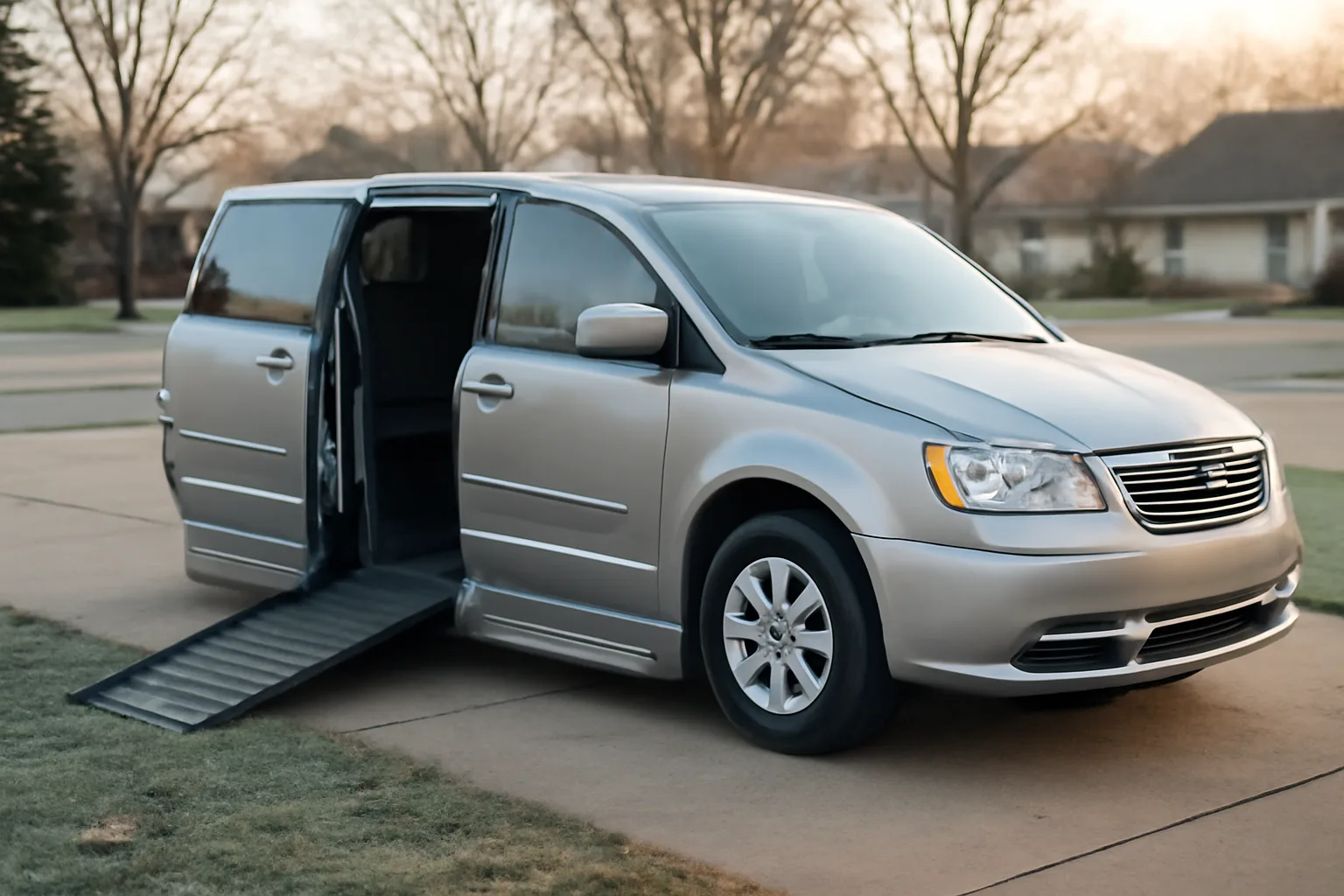
Non-emergency medical transportation is scheduled transport to and from covered medical services for people who don't need an ambulance but can't drive themselves or use regular transit. Think dialysis three times a week, chemo infusions, physical therapy, or a routine OB appointment for someone without a car or with a mobility limitation. Federal Medicaid rules require states to ensure 'necessary transportation for beneficiaries to and from providers' under 42 CFR 431.53, and CMS describes NEMT specifically as transport 'to and from medical appointments' for enrollees with no other means of transportation [2]. States can run this directly or, more commonly now, contract it out to regional transportation brokers who handle scheduling, dispatch, and provider credentialing on the state's behalf. NEMT is different from emergency transport. An ambulance responding to a 911 call for a heart attack is emergency medical transport; a wheelchair van picking up a dialysis patient for a 7 a.m. appointment is NEMT. If your business plan mixes both, you're actually running two different regulatory tracks. It's worth reading up separately on emergency medical transport requirements before you assume one license covers both. NEMT vehicles range from sedans for ambulatory clients to wheelchair-accessible vans with lifts or ramps, to stretcher vans for people who must stay lying down but don't need clinical care en route. Most new owner-operators start with a single wheelchair van because it opens up both ambulatory and wheelchair trip categories with brokers, which usually means more available trip assignments than a sedan-only fleet.
Does Medicaid cover ambulance rides, and how is that different from NEMT?
Yes. Medicaid covers ambulance rides, but only when transport meets each state's medical necessity standard, typically an emergency or a documented need for a stretcher-level, clinically supervised trip. Medicaid.gov confirms that non-emergency medical transportation is a required benefit for beneficiaries who have no other means of getting to covered care [3], and ambulance services are billed and reimbursed under a completely separate provider category and rate schedule than NEMT vans. In practice: an ambulance ride to the ER, or an emergency transfer between hospitals, falls under Medicaid ambulance coverage rules and typically requires EMT or paramedic staffing and an ambulance service license through the state EMS regulatory board. A wheelchair van taking a member to a scheduled nephrology appointment is NEMT, billed differently, and doesn't require EMS licensure at all. Does Medicaid cover ambulance rides for non-emergencies too? Sometimes. If a physician documents that the member's medical condition requires ambulance-level transport (for example, a bed-confined patient needing IV monitoring during transfer), that qualifies. But that's the exception, not the norm, and states set their own medical necessity documentation rules for it.
Does Medicare cover medical transportation the same way?
Medicare's rules are narrower than Medicaid's. Medicare Part B covers ambulance transportation when it's medically necessary and other transport would endanger the patient's health, per CMS's Medicare Benefit Policy Manual guidance on ambulance services [4]. Medicare does not have a general non-emergency medical transportation benefit the way Medicaid does. Some Medicare Advantage plans voluntarily add NEMT as a supplemental benefit, and CMS has allowed MA plans to offer transportation as a non-medical supplemental benefit since 2019 rule changes expanding what counts as 'primarily health related.' But that's plan-by-plan, not a guaranteed benefit, and coverage, trip limits, and vendor networks vary enormously between Medicare Advantage carriers. If you're building a business plan around 'does Medicare cover medical transportation,' the honest answer is: rarely for routine NEMT, more often for ambulance-level emergencies, and occasionally through a Medicare Advantage supplemental benefit you'd need to contract for separately from Medicaid NEMT work. Most new wheelchair-van operators in Minnesota build their revenue plan around Medicaid NEMT and MA supplemental contracts, not traditional fee-for-service Medicare.
How do you start a non-emergency medical transportation business in Minnesota, step by step?
Here's the realistic sequence, roughly in order, though some steps run in parallel once you get moving. 1. Form your business entity with the Minnesota Secretary of State (LLC is the common choice for owner-operators) and get an EIN from the IRS. 2. Get commercial auto insurance quotes early. Wheelchair-van NEMT insurance is specialized and not every carrier writes it; shop this before you buy a van, not after. 3. Buy or convert your wheelchair-accessible van, making sure the lift or ramp meets ADA-style securement standards brokers will inspect. 4. Title and register the vehicle through Minnesota DVS, and complete any required commercial vehicle inspection. 5. Get driver qualifications lined up: a valid MN driver's license (commercial license generally isn't required for a standard wheelchair van under the CDL weight threshold, but confirm this with DVS for your specific vehicle), a driving record check, and any required background study through DHS's NETStudy 2.0 system if you or your drivers will have direct contact with vulnerable adults. 6. Enroll as an MHCP provider through DHS Provider Enrollment for the 'special transportation' provider type [1]. 7. Apply for credentialing with the regional broker(s) covering your service area, since Minnesota's Medicaid NEMT (called Minnesota Health Care Programs transportation) is largely brokered by county or region rather than run entirely by the state. 8. Set up your billing and trip documentation workflow before you take your first ride, because broker audits focus heavily on trip logs, mileage records, and signature capture. That's the skeleton. Confirm the specific document list and current fees with MHCP Provider Enrollment and your assigned broker, since Minnesota has, at different points, used multiple regional NEMT brokers and contract terms shift.
How do you start a medical transportation business with just one van?
One van is completely normal to start with, and plenty of successful NEMT operators in Minnesota began exactly that way. The math and the paperwork don't really change based on fleet size, just the pace. With one vehicle you're the owner, the primary driver, and the biller, at least at first. That's an advantage for credentialing (fewer people to background-check, fewer vehicles to inspect) but it means zero redundancy if your van breaks down or you get sick. Some new operators keep a rental or backup arrangement lined up specifically so a single mechanical issue doesn't wipe out a week of scheduled trips and put their broker standing at risk. Brokers generally don't require a minimum fleet size to credential you, but they do care about capacity commitments. If you tell a broker you can cover 20 trips a week, you need to actually be able to do that reliably with one van and one driver (you, probably), accounting for maintenance, driver fatigue, and appointment overlap. Be honest about your real capacity when you set up broker profiles. Overcommitting and then no-showing trips is one of the fastest ways to get flagged or dropped. One practical note: buy or convert the van with resale and insurance in mind. A used, converted wheelchair van from a private seller can save money upfront but may complicate the vehicle inspection and insurance underwriting compared to a factory-converted unit with documented conversion certification.
What does MHCP provider enrollment actually require for transportation providers?
DHS's Minnesota Health Care Programs enrollment process for special transportation providers requires an active business registration, an assigned National Provider Identifier (NPI) if applicable to your provider type, and completion of DHS's provider enrollment application specific to transportation services [1]. DHS also requires ongoing compliance with MHCP provider requirements including maintaining accurate service records. DHS explicitly notes that Minnesota Health Care Programs 'covers medical transportation for enrollees who have no other way to get to their covered health care services' [1], which is the state-level restatement of the federal 'necessary transportation' mandate under 42 CFR 431.53 [2]. Expect DHS or your broker to ask for proof of vehicle insurance meeting minimum liability limits, driver qualification documentation, and possibly a background study result through NETStudy 2.0 for any driver with direct contact responsibilities. Minnesota statute (Minn. Stat. § 245C) governs background studies for individuals providing services to vulnerable populations that some transportation contracts touch on [5]. Not every NEMT contract triggers a background study requirement automatically. Confirm directly with DHS and your broker whether your specific service population (elderly members, waiver program participants, etc.) triggers it. Processing timelines for MHCP provider enrollment vary and DHS doesn't publish a single universal turnaround guarantee, so budget several weeks minimum and don't schedule your first broker-assigned trips until you have written confirmation of an active provider number.
How does broker credentialing work on top of Medicaid enrollment?
Once you're an enrolled MHCP provider, you still need to separately apply with the broker or brokers that dispatch NEMT trips in your service region. Minnesota has used regional transportation management contracts, and coverage areas and the specific broker names change over time, so confirm which broker (or brokers) currently holds the contract for your county directly with your county's DHS-designated contact or the state's managed care transportation page before you apply. Broker credentialing typically layers on top of MHCP enrollment. They'll re-verify your insurance certificates, inspect your vehicle (lift function, tie-downs, cleanliness, ADA-compliant securement points), check driver records again independently, and often require you to complete their own driver training or orientation module even if you've already done a general NEMT driver course. This is standard across national brokers like Modivcare, MTM, Access2Care, and SafeRide in other states, and Minnesota's regional broker structure works similarly. Don't skip reading the broker's specific vehicle standards document line by line. A wheelchair van that passes DVS inspection can still fail a broker's internal inspection if the securement points don't meet their specific spec or the lift doesn't have current maintenance records. Rejections at this stage usually mean a fixable documentation gap, not a fundamental problem, but it costs you weeks if you don't catch it before the inspection appointment. If you're comparing what different regional brokers require, it helps to look at how the topic is covered across medical transportation programs generally and how nemt transportation credentialing tends to work broker to broker, since the core categories (insurance, vehicle inspection, driver background, trip documentation) repeat everywhere even when the specific forms differ.
What insurance and vehicle standards should you expect?
Expect to need commercial auto liability insurance at limits meeting or exceeding your broker's minimum, which is often higher than personal auto minimums and sometimes higher than Minnesota's general commercial minimums, because brokers set their own floor. Get quotes from carriers who specifically write NEMT or paratransit business; general commercial auto insurers sometimes decline to cover wheelchair lift liability or price it so high it isn't workable. Your van will need a functioning wheelchair lift or ramp, secured tie-down points meeting ADA-style securement standards, and documentation showing the lift has been inspected and maintained. Brokers commonly require annual or semi-annual vehicle inspections beyond the standard state vehicle inspection, and they'll usually want copies of the conversion manufacturer's certification if the van was professionally converted from a stock cargo van or minivan. Driver qualifications typically include a valid Minnesota driver's license, a clean-enough driving record (brokers set their own point thresholds), CPR/first aid certification in many cases, and completion of passenger assistance or sensitivity training specific to transporting people with mobility limitations, dementia, or other conditions. None of this is unique to Minnesota. It's close to the national norm for NEMT broker credentialing, but the specific point thresholds and training vendor requirements are set by each broker, so get the current list in writing before you assume you're compliant.
How long does the whole process realistically take?
Nobody publishes a single official timeline covering entity formation through your first paid trip, because it depends on how fast you personally move through each step and how backed up MHCP provider enrollment and the broker's credentialing queue happen to be at that moment. Rough, non-guaranteed ranges based on how these processes typically run: business entity formation, a few days to two weeks; vehicle purchase/conversion and titling, a few weeks if buying used and ready-to-go, months if ordering a new conversion; insurance binding, days once you've picked a carrier; MHCP provider enrollment, commonly several weeks from submission to approval, longer if your application is incomplete; broker credentialing on top of that, another few weeks for vehicle inspection scheduling and document review. Add it up and a realistic total window from 'I want to start an NEMT business' to 'I'm taking my first broker-assigned trip' is commonly two to four months for someone moving efficiently with no major hiccups, sometimes longer. Anyone promising you a guaranteed two-week turnaround for full state and broker credentialing is not being straight with you. The steps genuinely take time because each agency and broker reviews on their own schedule.
What paperwork should you organize before you apply for anything?
Get these together before you start filing applications, because you'll be asked for most of them multiple times across DHS, DVS, and broker paperwork: your entity formation documents and EIN confirmation, vehicle title and registration, proof of commercial auto insurance meeting broker minimums, driver's license and driving record for every driver, CPR/first aid certification if required, wheelchair lift/ramp maintenance records or conversion certification, and a copy of your NPI if your provider type requires one. Having a single organized folder (digital or physical) with all of this ready cuts real time off the process. Incomplete applications are the single most common reason MHCP enrollment or broker credentialing stalls. Reviewers don't chase you for missing documents quickly; they just sit the file in a queue until you notice and resubmit. This is the exact gap a packaged reference tool is built to close. RideCredential's $199 one-time State + Broker NEMT Launch Kit walks through the state Medicaid enrollment paperwork and the common broker credentialing document list side by side, so you're not discovering a missing insurance rider or a missing driver form after you've already submitted. It's a reference and organizing tool, not a guarantee of approval; DHS and your broker still make every credentialing decision.
What should you check before you buy your first wheelchair van?
Before you sign for a van, confirm three things with your target broker(s), more than with the vehicle seller: minimum lift/ramp specifications, required securement point configuration, and whether the broker has a maximum vehicle age or mileage cutoff for credentialing. Some brokers won't credential a van past a certain age even if it runs fine mechanically, and finding that out after purchase is an expensive mistake. Get a written insurance quote for the specific van (year, make, model, conversion type) before you finalize the purchase, not after. Wheelchair lift liability changes the premium meaningfully compared to a standard passenger van, and some insurers price conversions very differently depending on who did the conversion work and whether it's certified. If you're deciding between buying a used, already-converted van versus ordering a new conversion, weigh the timeline against the certification paperwork. A used van with clean, documented conversion paperwork and a valid lift inspection can get you credentialed faster than waiting months for a new build, even though the new build might need fewer near-term repairs. For a broader look at what counts as accessible NEMT versus general non emergency medical transportation services, it helps to understand how wheelchair-specific trip categories are typically priced and dispatched separately from ambulatory sedan trips by most brokers.
Frequently asked questions
Is there a specific NEMT license required in Minnesota?
No single 'NEMT license' exists in Minnesota. You need business registration through the Secretary of State, vehicle credentials through DVS, MHCP provider enrollment through DHS for transportation providers, and separate credentialing with the regional broker covering your service area. Confirm the current document list directly with DHS and your broker.
How do I start a medical transportation business from scratch?
Form your business entity, secure NEMT-specific commercial insurance, buy or convert a wheelchair van, complete vehicle titling and inspection, line up qualified drivers, enroll as an MHCP transportation provider through DHS, and get credentialed with your region's NEMT broker. Expect several weeks to a few months total, moving in parallel where possible.
Does Medicaid cover ambulance rides in Minnesota?
Yes, when the transport meets medical necessity standards, typically emergencies or documented stretcher-level clinical needs. Ambulance services are billed and licensed separately from NEMT wheelchair van transport under a different provider category and EMS regulatory structure, not through the same MHCP transportation provider enrollment.
What is non-emergency medical transportation exactly?
NEMT is scheduled, non-emergency transport (wheelchair van, sedan, or stretcher van) to and from covered medical appointments for people who lack another way to get there. Medicaid.gov confirms it as a required benefit for enrollees with no other transportation option, distinct from emergency ambulance service.
Does Medicare cover medical transportation like Medicaid does?
Not the same way. Medicare Part B generally covers ambulance transport only when medically necessary for emergencies or equivalent conditions. Medicare doesn't have a broad NEMT benefit like Medicaid, though some Medicare Advantage plans voluntarily add transportation as a supplemental benefit.
Can I start a NEMT business with just one wheelchair van?
Yes, most owner-operators start with one van. Credentialing requirements don't change based on fleet size, but be realistic about your trip capacity when you set commitments with a broker, and consider a backup plan for mechanical downtime since you have no redundant vehicle at first.
How long does MHCP provider enrollment take for transportation providers?
DHS doesn't publish one universal turnaround time. Realistically budget several weeks from a complete submission to an active provider number, longer if documents are missing. Don't schedule broker trips until you have written confirmation of enrollment.
Do I need a CDL to drive a wheelchair van in Minnesota?
Usually not for a standard wheelchair van under typical weight and passenger thresholds, but this depends on vehicle weight class and seating capacity. Confirm your specific vehicle's requirement directly with Minnesota DVS before assuming a standard license is sufficient.
What insurance do I need for a Minnesota NEMT wheelchair van?
Commercial auto liability insurance meeting or exceeding your broker's minimum limits, which is often higher than standard commercial minimums. Get quotes from insurers who specifically underwrite NEMT or paratransit wheelchair-lift vehicles, since some general commercial carriers won't cover lift liability at all.
Does the same broker cover all of Minnesota, or is it regional?
Minnesota's Medicaid NEMT has historically used regional broker contracts rather than one statewide broker, and which company holds a given county's contract can change over time. Confirm the current broker for your specific service area with DHS or your county's Medicaid contact before applying.
Will I need a background study to drive NEMT in Minnesota?
Possibly, depending on the population you transport. Minnesota's NETStudy 2.0 background study system under Minn. Stat. § 245C applies to individuals with direct contact responsibilities for certain vulnerable populations. Confirm with DHS and your broker whether your specific service triggers this requirement.
What's the difference between NEMT and emergency medical transport for licensing purposes?
NEMT (scheduled rides, no clinical care needed en route) goes through MHCP provider enrollment and broker credentialing. Emergency medical transport (ambulances responding to emergencies) requires EMS licensure through the state's EMS regulatory board and EMT/paramedic staffing, an entirely separate regulatory track.
Sources
- Minnesota Department of Human Services, Medical Transportation (Minnesota Health Care Programs): MHCP covers medical transportation for enrollees who have no other way to get to covered health care services, and DHS manages special transportation provider enrollment
- Code of Federal Regulations, 42 CFR § 431.53: States must ensure necessary transportation for Medicaid beneficiaries to and from providers
- Medicaid.gov, Non-Emergency Medical Transportation: NEMT is a required Medicaid benefit for enrollees with no other means of transportation to covered care
- CMS, Medicare Benefit Policy Manual, Chapter 10 (Ambulance Services): Medicare Part B covers ambulance transportation only when medically necessary and other transport would endanger the patient's health
- Minnesota Statutes, Section 245C (Background Studies): Minnesota law governs background studies for individuals providing direct contact services to vulnerable populations, including certain transportation contexts
- Minnesota Statutes, Section 245C.08 (Background Study; Disqualification): Minnesota law sets out the specific background study review and disqualification standards that NETStudy 2.0 administers for individuals with direct contact responsibilities