Last updated 2026-07-23
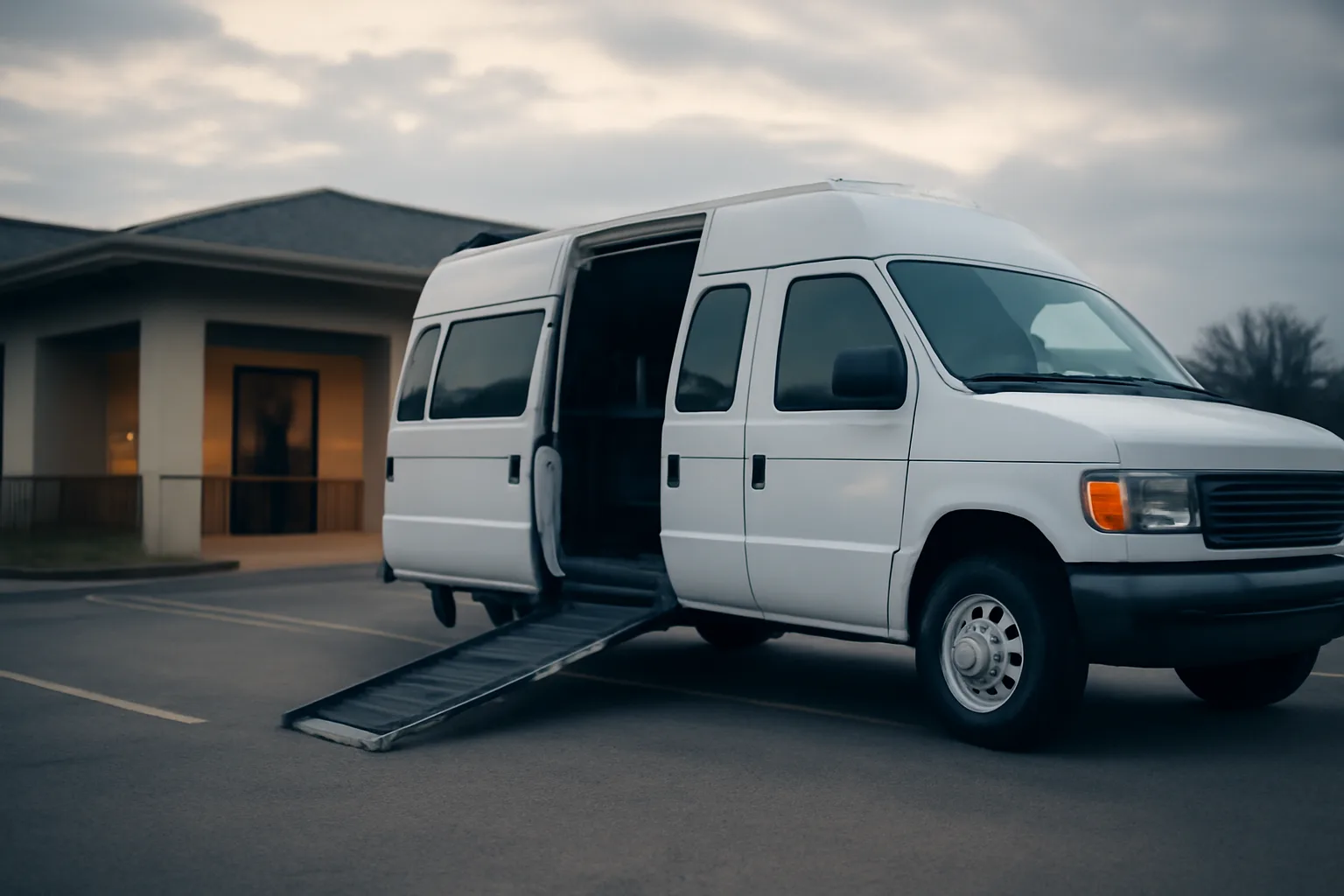
TL;DR
"Medicaid rides" usually means non-emergency medical transportation (NEMT), the Medicaid benefit that covers trips to and from covered medical appointments for people with no other way to get there. It's separate from ambulance transport, which is emergency medical transportation billed differently. States run NEMT through Medicaid transportation units or contracted brokers like Modivcare and MTM, and starting a wheelchair-van business means enrolling with both your state Medicaid agency and the broker.
What is NEMT (non-emergency medical transportation)?
NEMT stands for non-emergency medical transportation. It's the Medicaid benefit that pays for rides to and from medical appointments for people who have no other way to get there, and it covers everyone from ambulatory riders who just need a sedan or rideshare-style trip to wheelchair users who need a lift-equipped van and stretcher patients who need more support than a wheelchair van but less than an ambulance. Federal law requires it. States must "ensure necessary transportation for beneficiaries to and from providers" under regulations tied to the Medicaid program, and CMS describes NEMT as a mandatory benefit for states offering it under their Medicaid state plans [1]. That's different from a lot of Medicaid transportation options being optional add-ons. NEMT isn't optional at the federal level, though the exact scope, mileage rules, and reimbursement rates absolutely vary by state. Most states don't run NEMT with state employees driving vans. Instead they contract with a broker, a private company that manages scheduling, dispatch, and provider networks on the state's behalf. Modivcare, MTM, Access2Care, and SafeRide are the names you'll see most often, though the specific broker (or brokers, some states split by region) depends entirely on your state. You'll need to [confirm with your state Medicaid agency] which broker or brokers hold the current contract, because these contracts do get rebid and brokers do change. If you're new to the space, it helps to read a general overview of non emergency medical transportation before you get into broker-specific paperwork, since the vocabulary (trip legs, will-call, subcontractor vs. direct network provider) shows up in every state's contract.
Does Medicaid cover ambulance rides?
Yes, Medicaid covers ambulance rides, but that's a completely different benefit from NEMT and it's billed and coordinated differently. Ambulance transport is for emergencies or situations where a person's medical condition requires the equipment and staff an ambulance provides, like oxygen, cardiac monitoring, or a licensed EMT or paramedic in the vehicle. CMS's ambulance fee schedule guidance lays out payment rules for ground and air ambulance transport under Medicare and reflects how Medicaid programs typically define medical necessity for ambulance-level care [2]. A wheelchair van is not an ambulance and can't bill as one. If a Medicaid member needs actual emergency response or in-transit medical monitoring, that's a 911 call and an ambulance company's job, not an NEMT provider's. Where it gets confusing: some states also cover "non-emergency ambulance transportation," for example a stable patient who needs an ambulance-level stretcher and medical monitoring for a scheduled dialysis run but isn't in a 911 situation. That's still ambulance billing (usually through a licensed ambulance company), not NEMT wheelchair-van billing. If your business model includes stretcher runs, you'll want to know exactly which category your state and broker put those trips in, because the vehicle standards, staffing, and reimbursement differ [confirm with your state Medicaid agency]. For a broader look at where ambulance-level care sits relative to non-emergency rides, see emergency medical transport.
Does Medicare cover medical transportation?
Medicare's coverage of medical transportation is much narrower than Medicaid's. Medicare Part B covers ambulance transportation when it's medically necessary, meaning any other way of getting the patient there could endanger their health, and Medicare generally does not cover routine non-emergency rides to a doctor's office the way Medicaid NEMT does [3]. There are limited exceptions. Some Medicare Advantage plans now offer transportation as a supplemental benefit, and CMS has expanded flexibility for Medicare Advantage plans to cover non-medical transportation to appointments as part of their supplemental benefit options [4]. But that's plan-by-plan and not a guarantee, it depends on which Medicare Advantage plan a person is enrolled in and what that plan chose to offer that year. This matters a lot for owner-operators because it means your Medicaid enrollment and broker credentialing don't automatically get you Medicare work. If you want to run trips for Medicare Advantage members, you'll typically need a separate contract with that plan or its transportation vendor, which may or may not be the same broker running your state's Medicaid NEMT program. Don't assume one credential covers both programs.
How to start a medical transportation business
Starting a medical transportation business, meaning an NEMT wheelchair-van operation, involves stacking several approvals on top of each other: business registration, vehicle and insurance requirements, state Medicaid enrollment, and broker credentialing. None of these steps is optional, and skipping the order usually means redoing paperwork. Here's the rough sequence most new owner-operators follow, though your state's exact order and requirements will vary: 1. Register your business entity (LLC is common) and get an EIN. 2. Get commercial auto insurance for a wheelchair-accessible vehicle, since standard personal auto policies won't cover paid passenger transport. 3. Buy or convert a wheelchair van that meets your state's vehicle standards (ADA-compliant lift or ramp, tie-downs, often a specific vehicle age limit). 4. Get required driver credentials: a clean background check, drug screening, defensive driving or passenger assistance training, sometimes a specific license class depending on vehicle size. 5. Enroll as a Medicaid transportation provider with your state Medicaid agency. 6. Apply for network credentialing with the broker(s) operating in your state or region. 7. Get your NPI (National Provider Identifier) if your state requires one for transportation billing. States each run their own Medicaid transportation unit, and CMS maintains a directory of state Medicaid agency contacts as a starting point for finding yours [5]. Every state's process differs enough that you genuinely need to pull your specific state's provider enrollment manual rather than assume another state's rules apply.
How to start a NEMT business step by step
If "how to start a medical transportation business" is the big question, "how to start a NEMT business" is the same question with the paperwork made concrete. Here's what that paperwork actually looks like in practice. Business and legal setup comes first: your LLC or corporation, your EIN, and usually a business bank account, since brokers pay providers by EFT and want a business account, not a personal one. Some states also require a specific business license for passenger transportation on top of your general business registration, so check your state's business filing agency and your state Medicaid transportation unit separately. Insurance is where a lot of new owner-operators get stuck. Commercial auto liability limits for NEMT are commonly $1 million per occurrence, though some states and brokers set different minimums, and you'll need to name the broker as an additional insured on the policy in many contracts. Get quotes before you buy a van, not after, because premiums vary a lot by vehicle type and your driving record. Vehicle standards typically require a lift or ramp meeting ADA specifications, working tie-downs and seatbelts for wheelchairs, and a maximum vehicle age (commonly somewhere in the 5 to 10 year range depending on the state or broker, so [confirm with your broker and state Medicaid agency]). Buy the van after you've read the actual spec sheet from your state, not before. Driver requirements almost always include a background check (often through a state-run criminal history repository), drug and alcohol screening, a driving record check, and some form of passenger assistance or sensitivity training. Many states also require CPR and first aid certification for NEMT drivers. Once your business, insurance, vehicle, and driver pieces are in place, you file Medicaid provider enrollment paperwork with the state, then apply for broker network credentialing. These are two separate applications with two separate reviewers, and approval from one doesn't guarantee approval from the other.
How do you start a medical transportation business with one van?
Yes, you can start with a single wheelchair van, and a lot of NEMT owner-operators do exactly that rather than launching a fleet. The requirements don't change based on fleet size, meaning a one-van operation still needs the same insurance minimums, the same vehicle standards, and the same driver credentials as a ten-van company. What does change with one van is your operating margin for error. If that van is in the shop, you have zero capacity, no backup vehicle to shift trips to. Some brokers ask about backup vehicle plans during credentialing, and it's worth having an honest answer (a rental agreement, a second driver-owner relationship, whatever your real plan is) rather than promising fleet capacity you don't have. One-van operators also need to think hard about which trips they can realistically serve. Long-distance or out-of-state trips, multiple same-day pickups in different directions, and standing/recurring dialysis or dosing runs all eat capacity fast when you've got one vehicle and one or two drivers. Being selective about which trip types you accept from the broker's dispatch system is often smarter than saying yes to everything early on. The enrollment paperwork itself is identical whether you own one van or five. You'll still complete state Medicaid provider enrollment and broker credentialing as described above; the business plan section of your application (if your state or broker asks for one) is just where you're honest about scale.
How to start a non-emergency medical transportation business (state and broker enrollment)
This is the part that trips up almost every new NEMT owner-operator: state Medicaid enrollment and broker credentialing are two different processes run by two different organizations, and you generally need both before you can legally run paid Medicaid trips. State Medicaid provider enrollment means applying directly to your state Medicaid agency (sometimes through a portal, sometimes through a fiscal agent contractor) to become an approved Medicaid transportation provider. This typically requires your business license, insurance certificates, vehicle registration and inspection records, driver background check results, and sometimes a site visit or vehicle inspection. States set their own timelines for this, and some publish provider enrollment guides on their Medicaid transportation unit websites, so start there. Broker credentialing is separate and happens with whichever private company holds the transportation management contract for your state or region, commonly Modivcare, MTM, Access2Care, or SafeRide (or a state-specific broker, some states use their own name for the program). The broker application usually asks for much of the same documentation you gave the state, plus broker-specific items like a W-9, direct deposit setup, a service area map, and sometimes a background check run through the broker's own vendor even if you already did one for the state. The honest timeline answer is: it varies by state and by broker, sometimes weeks, sometimes a couple of months, and it depends heavily on how complete your first submission is. Missing or mismatched documents (insurance certificate showing a different vehicle than your registration, for instance) is the single most common cause of delay reported anecdotally by owner-operators in industry forums, though there's no rigorous public study measuring this. For a side-by-side sense of how brokers differ in application steps and requirements, nemt and nemt transportation both cover broker-specific mechanics in more depth.
What documents do I need for Medicaid NEMT provider enrollment?
| Business entity + EIN | Yes | Filing fees vary | |
|---|---|---|---|
| Commercial auto insurance | Concept, yes | Minimum coverage amount | |
| Vehicle age limit | Concept, yes | Exact year cutoff | |
| Driver background check | Yes | Which agency runs it, lookback years | |
| NPI requirement | No | Some states require, some don't | |
| Broker credentialing | Yes, in broker states | Which broker(s) hold the contract | Because this table is a generalization, always pull the actual checklist from [confirm with your state Medicaid agency] before you buy insurance or a vehicle, not after. |
Most states ask for a similar core packet, even though the exact form numbers and portals differ. Expect to submit: your business formation documents and EIN confirmation, proof of commercial auto insurance meeting your state's minimum, vehicle registration and safety inspection records, driver background check and drug screening results, and often an NPI number if your state requires one for transportation billing. Some states also require a Medicaid provider agreement, a signed contract acknowledging program rules and fraud/abuse liability, and a site or vehicle inspection before final approval. A few states run this through a third-party fiscal agent (a contractor that processes Medicaid provider enrollment on the state's behalf) rather than a state employee, which can add a layer of back-and-forth. Here's a rough comparison of what tends to overlap and what's genuinely state-specific: | Requirement | Usually consistent across states | Usually state-specific |
What's the difference between Medicaid rides, NEMT, and ambulance transport?
"Medicaid rides" is the plain-language phrase people search for, and it almost always means one of two things: NEMT (non-emergency medical transportation) or ambulance transport. They're not interchangeable, and mixing them up in a business plan is a fast way to build the wrong vehicle fleet. NEMT covers scheduled, non-emergency trips, dialysis, physical therapy, a specialist appointment, a pharmacy pickup tied to a covered service, using ambulatory vehicles, wheelchair vans, or in some states stretcher vans. Ambulance transport covers emergency response and non-emergency trips that still require ambulance-level medical equipment or staffing, billed through a licensed ambulance provider under different rules. CMS is fairly direct about the mandatory nature of NEMT access: state Medicaid programs must ensure that eligible individuals have transportation to and from providers, described in federal regulation as part of the Medicaid assurance of transportation [1]. That's the legal backbone behind why every state runs some version of this benefit even though the delivery model (broker-managed vs. state-run) varies completely. If your business plan is "buy a wheelchair van and drive Medicaid rides," you're building an NEMT business, not an ambulance business, and that distinction should drive every vehicle, insurance, and licensing decision you make from here.
What vehicle and insurance requirements should I expect before enrolling?
Every state sets its own specifics, but the categories are consistent enough to plan around before you shop for a van. You'll want ADA-compliant wheelchair lift or ramp equipment, functioning tie-downs rated for wheelchair securement, and a vehicle that meets your state's maximum age limit, commonly somewhere in the 5 to 10 year range depending on the state and broker. Commercial auto liability insurance is non-negotiable, and $1 million per occurrence is a commonly cited minimum across many state and broker contracts, though some set different figures. Personal auto insurance will not cover you here; insurers classify paid passenger transport as commercial use, and driving Medicaid trips on a personal policy risks a denied claim if something goes wrong. Many brokers also require the broker be named as an additional insured on your policy, and some require specific endorsements like hired and non-owned auto coverage if you ever use a backup or rental vehicle. Get your insurance agent involved early and ask them directly whether they've written NEMT policies before, since not every commercial auto agent has. Vehicle inspections are common too, either an annual state DOT inspection, a broker-specific inspection, or both. Keep inspection records organized from day one, because broker credentialing renewals typically ask for current copies annually or biannually.
How long does broker credentialing usually take, and what slows it down?
There's no single published national number for broker credentialing timelines, and that's an honest gap, brokers don't publish aggregate processing-time data, and no federal agency tracks it either. What owner-operators report anecdotally in industry groups ranges from a few weeks to a couple of months, and the biggest variable is document completeness on your first submission. The most common delays: insurance certificates that don't match the vehicle VIN on file, background checks that expire before the application finishes processing, missing W-9 or direct deposit forms, and vehicle inspection reports that are dated before the vehicle was actually placed in service. None of these are complicated fixes, they're just the kind of small mismatches that get an application bounced back rather than approved. A practical habit: keep one folder (digital or physical) with current copies of every document a broker or state might ask for, insurance certificate, vehicle registration, driver background check, inspection report, W-9, and NPI confirmation. Re-credentialing happens on a recurring basis with most brokers, often annually, and having that folder ready cuts your renewal time down significantly compared to scrambling each cycle. If you want a structured starting point instead of assembling every checklist from scratch, the $199 State + Broker NEMT Launch Kit organizes the state Medicaid and broker document requirements into one build path, though you'll still need to confirm final specifics with your own state Medicaid agency and broker since rules change and vary by state.
Where do I find my state's specific Medicaid NEMT rules?
Start with two sources: your state Medicaid agency's transportation unit (often listed under a name like "Medicaid transportation services" or "non-emergency medical transportation program" on your state's health or human services website) and the broker's own provider enrollment page if your state uses a broker. CMS maintains a state-by-state contact directory for Medicaid agencies as a jumping-off point if you don't already know your state's website [5]. From there, look specifically for the provider enrollment manual or NEMT provider handbook, most states publish one as a PDF, and it will list vehicle standards, insurance minimums, driver requirements, and the enrollment application itself. Don't rely on secondhand summaries, including this one, for your final numbers. Insurance minimums, vehicle age cutoffs, and background check requirements are exactly the kind of detail that changes when a state renews its broker contract or updates its provider manual, so [confirm with your state Medicaid agency] and the broker directly before you finalize a vehicle purchase or sign an insurance policy. For a broader look at how these state-specific programs fit together nationally, medical transportation and non emergency medical transportation services both give a wider view of program structure across states.
Frequently asked questions
What is NEMT in simple terms?
NEMT stands for non-emergency medical transportation. It's the Medicaid benefit that pays for rides to and from covered medical appointments for people who have no other way to get there, using anything from a sedan to a wheelchair-accessible van, depending on the rider's needs. It's separate from ambulance transport, which covers emergencies and medically staffed trips [1].
Does Medicaid cover ambulance rides?
Yes, Medicaid covers ambulance rides when they're medically necessary, but that's billed through a licensed ambulance company under ambulance-specific rules, separate from NEMT wheelchair-van coverage. Medical necessity standards and payment rules are set at the state level, though CMS's ambulance fee schedule guidance outlines the federal framework these programs generally follow [2].
Does Medicare cover medical transportation to doctor appointments?
Generally no. Medicare Part B covers ambulance transport when medically necessary, but it doesn't typically cover routine non-emergency rides to a doctor's office the way Medicaid NEMT does [3]. Some Medicare Advantage plans offer transportation as a supplemental benefit, but that varies plan by plan and isn't guaranteed [4].
How do I start a medical transportation business from scratch?
Register your business entity, get commercial auto insurance, buy or convert a wheelchair van meeting your state's standards, get driver background checks and required training, then enroll with your state Medicaid agency and apply for broker credentialing separately. Each step depends on requirements set by [confirm with your state Medicaid agency], since they vary state to state.
Can I start an NEMT business with just one wheelchair van?
Yes. Requirements don't scale down for smaller fleets, a one-van operation needs the same insurance minimums, vehicle standards, and driver credentials as a larger company. The main risk is capacity: if your one van is down for repairs, you have no backup, so some owner-operators plan a backup vehicle arrangement before launching.
What's the difference between state Medicaid enrollment and broker credentialing?
State Medicaid enrollment means applying directly to your state Medicaid agency to become an approved Medicaid provider. Broker credentialing is a separate application to the private company (like Modivcare or MTM) that manages trip dispatch in your area. Most states require both before you can run paid Medicaid NEMT trips.
How much insurance do I need for an NEMT wheelchair van?
Many states and brokers set a commercial auto liability minimum around $1 million per occurrence, though this varies. Personal auto insurance won't cover paid passenger transport, insurers classify it as commercial use. Confirm your state's and broker's exact minimum before buying a policy, since figures differ by contract.
Which brokers manage Medicaid NEMT in most states?
Modivcare, MTM, Access2Care, and SafeRide are the names most commonly seen, but the specific broker depends entirely on your state, and some states use their own program name or split coverage by region. Contracts get rebid periodically, so confirm the current broker with your state Medicaid transportation unit before applying.
Do I need an NPI number to enroll as an NEMT provider?
It depends on the state. Some states require an NPI (National Provider Identifier) for transportation billing under Medicaid, others don't. Check your specific state's provider enrollment manual, since this is exactly the kind of requirement that varies and changes between states.
What vehicle age limits apply to Medicaid wheelchair vans?
Many states and brokers set a maximum vehicle age somewhere between 5 and 10 years, but the exact cutoff varies by state and sometimes by broker contract. Confirm the specific limit with your state Medicaid agency and broker before purchasing a van, since buying first and checking later risks a rejected application.
How long does it take to get approved as a Medicaid NEMT provider?
There's no official published national average. Owner-operators report anywhere from a few weeks to a couple of months, largely depending on how complete the first application submission is. Missing insurance details or mismatched vehicle records are common causes of delay reported informally in industry forums.
What is non-emergency medical transportation used for besides doctor visits?
NEMT covers trips to any Medicaid-covered service the rider otherwise couldn't reach, commonly dialysis, physical therapy, mental health appointments, and pharmacy pickups tied to a covered service. Coverage details and trip-type rules are set by each state Medicaid program, so specifics vary.
Can Medicaid rides include long-distance or out-of-state trips?
Sometimes, but it depends on the state and the medical necessity of the specific service. Long-distance and out-of-state NEMT trips typically require prior authorization and stricter documentation than local trips. Confirm the process with your state Medicaid agency or broker before assuming a long trip will be covered or assigned to you.
Sources
- Medicaid.gov, Non-Emergency Medical Transportation: States must ensure necessary transportation for Medicaid beneficiaries to and from providers; NEMT is a mandatory benefit under state plans
- CMS, Ambulance Fee Schedule: Federal payment and medical necessity framework for ambulance transport
- Medicare.gov, Ambulance Services: Medicare Part B covers ambulance transportation only when medically necessary, generally not routine non-emergency rides
- CMS, Medicare Advantage Supplemental Benefits: CMS has expanded flexibility for Medicare Advantage plans to offer transportation as a supplemental benefit
- Medicaid.gov, State Overviews: Directory of state Medicaid agency contacts and program information