Last updated 2026-07-25
TL;DR
To start an NEMT business in California, you register your entity, get a CHP-inspected vehicle meeting Title 22 standards, carry the required insurance, enroll as a Medi-Cal transportation provider (or contract with a Medi-Cal managed care plan), and credential with brokers like Modivcare or MTM. Expect several weeks to a few months for approvals, and confirm current fees and forms with DHCS and your local CHP office.
What is NEMT, and how is it different from an ambulance?
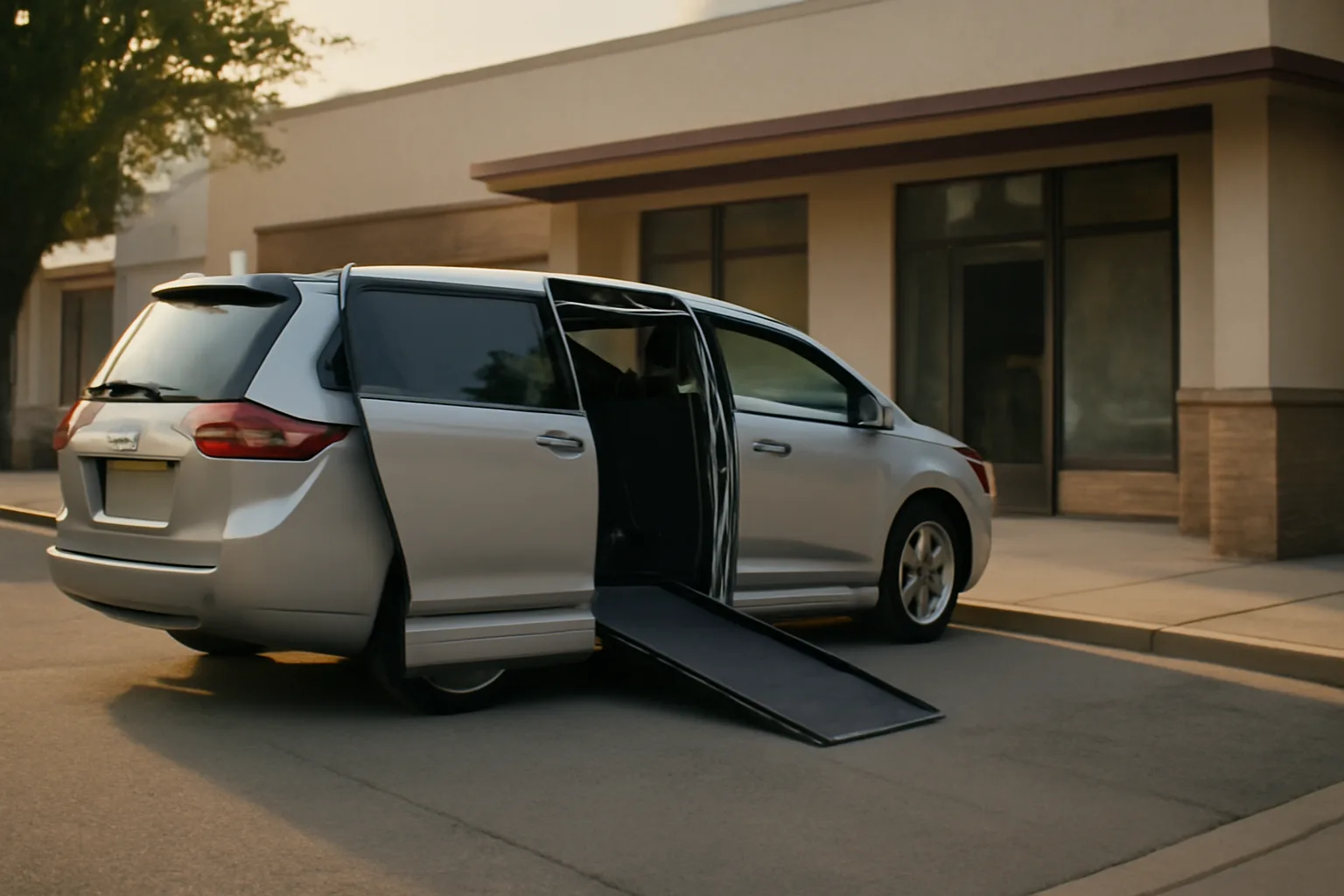
NEMT stands for non-emergency medical transportation. It's transport for people who have a medical need but don't require an ambulance or emergency care, things like dialysis, chemotherapy, dental appointments, or physical therapy visits. A wheelchair van, ambulatory sedan, or gurney van are the typical vehicles, not an ambulance with lights and sirens. The federal Medicaid rule that created this whole industry is 42 CFR 431.53, which requires state Medicaid programs to "ensure necessary transportation for beneficiaries to and from providers" [1]. California implements that requirement through Medi-Cal, its Medicaid program, using both fee-for-service NEMT billing and managed care plan transportation networks depending on the county and plan. Ambulance transport is a different category entirely, regulated under separate EMS rules (Health and Safety Code Division 2.5) and billed as an emergency or medically necessary ambulance service, not NEMT [2]. If your vehicle isn't licensed and staffed as an ambulance, you can't call it one or bill it as one. This distinction matters for both your CHP vehicle inspection category and your Medi-Cal enrollment paperwork, since mixing them up is one of the most common early mistakes new operators make. If you want the fuller national picture on the category before you get into California specifics, our NEMT overview and what is non-emergency medical transportation guide cover the basics in more depth.
Does Medicaid (Medi-Cal) cover NEMT, and does it cover ambulance rides?
Yes. Medi-Cal covers both NEMT and emergency ambulance transportation, but under different rules and different billing codes. NEMT covers non-emergency trips to a covered Medi-Cal service, and the federal mandate behind it is 42 CFR 431.53 [1]. Medi-Cal's own manual describes covered NEMT modes as ambulance, litter van, and wheelchair van when the beneficiary's condition requires that level of vehicle, and it distinguishes NEMT from Non-Medical Transportation (NMT), which covers things like mileage reimbursement or public transit tickets for beneficiaries who can travel independently [3]. Ambulance rides are covered separately as emergency medical transportation when medically necessary, billed under different provider rules than NEMT [3]. Medicare covers ambulance transportation too, but under much narrower medical-necessity rules than Medicaid, and Medicare generally does not cover routine non-emergency van or sedan rides the way Medi-Cal can. If a caller asks specifically "does Medicare cover medical transportation," the honest answer is: rarely, and only for ambulance-level medical necessity, not routine wheelchair van trips. Confirm current coverage rules with the Medi-Cal Provider Manual and your regional Medi-Cal managed care plan before you build a service line around a specific benefit. For a plain breakdown of what falls inside NEMT versus emergency transport, see our emergency medical transport page.
How do you start a medical transportation business in California, step by step?
Here's the realistic order of operations, based on how California's licensing and Medi-Cal enrollment pieces actually fit together. 1. Pick your entity and register it (LLC or corporation) with the California Secretary of State, and get an EIN from the IRS. 2. Get your NEMT vehicle, wheelchair van, ambulatory sedan, or gurney van, and have it inspected by the California Highway Patrol under Title 13 CHP vehicle inspection requirements for medical transportation vehicles [4]. 3. Secure commercial auto insurance meeting your county and broker's minimum liability limits (confirm exact limits with your insurer and broker, they vary by broker and by whether you carry wheelchair passengers). 4. Apply for Medi-Cal provider enrollment through the Department of Health Care Services (DHCS), or, in managed care counties, apply directly to the Medi-Cal managed care plan's transportation network or its regional broker. 5. Get your driver background checks, TB clearance, and any required CPR/first aid certification the county or broker requires. 6. Credential with the transportation broker or brokers operating in your county (Modivcare and others run Medi-Cal NEMT brokerage contracts in different California regions). 7. Set your rates and contract terms, confirm reimbursement rates with DHCS or the managed care plan directly, since NEMT rates are set at the state or plan level, not negotiated freely. Each of these steps has its own paperwork trail, and the order can shift slightly depending on whether your county runs fee-for-service Medi-Cal transportation or has fully carved NEMT into managed care. Confirm the current process with your county's Medi-Cal managed care plan and DHCS before you commit to vehicle purchases.
How do you start a NEMT business with just one van?
You can absolutely start with a single wheelchair van. Most successful owner-operators in this space start exactly that way, one vehicle, one driver (often the owner), and a narrow service radius. The core requirements don't scale down much even with one vehicle: you still need the CHP inspection, the insurance, and the Medi-Cal enrollment or broker credentialing [4]. What does scale down is your overhead. A single-van operation means one insurance policy, one driver's background check, and one vehicle inspection cycle to track, instead of a fleet's worth of renewals. The honest tradeoff is capacity. A one-van business can only take one trip at a time, so if a broker sends you a same-day request while your van is out on another run, you have to decline it. Brokers track no-show and decline rates, and some have credentialing consequences for operators who can't reliably cover assigned trips (confirm the specific policy with each broker you credential with, since these thresholds vary). Nothing about California's DHCS enrollment process or broker credentialing requires a minimum fleet size to get started. It's a reasonable, common way to enter the industry, provided you're realistic about how many trip assignments a single van can accept in a given day.
What vehicle and CHP requirements apply to NEMT vehicles in California?
California treats NEMT vehicles that transport wheelchair users or non-ambulatory patients as vehicles for hire subject to CHP inspection under Title 13 of the California Code of Regulations, which governs vehicles operated for the transportation of persons for hire, including medical transportation vehicles [4]. The CHP issues a CHP 292 certificate (or equivalent inspection documentation) confirming the vehicle passed its safety and equipment inspection, and this certificate is typically required before a county or broker will approve your vehicle for Medi-Cal trips. Your van needs a wheelchair lift or ramp meeting accessibility standards, secure wheelchair tie-down and occupant restraint systems, and working emergency equipment (fire extinguisher, first aid kit, reflective triangles) as part of the CHP inspection checklist. Brokers frequently layer their own additional vehicle-age and mileage requirements on top of the state's baseline, so a van that passes CHP inspection might still get rejected by a specific broker's internal fleet standards. Confirm current CHP inspection fees, forms, and renewal intervals directly with your local CHP Motor Carrier Safety office, since these details are updated periodically and vary by vehicle class. Our vehicles and equipment resources go deeper into lift specs and tie-down standards if you're still shopping for your first van.
How do you enroll as a Medi-Cal NEMT provider?
You apply through the Department of Health Care Services (DHCS) Medi-Cal provider enrollment portal, which requires your business license, CHP vehicle certification, insurance documentation, and driver background clearances as part of the application package. DHCS's Medi-Cal Provider Manual for Non-Emergency Medical Transportation and Non-Medical Transportation lays out the covered modes and provider requirements for NEMT enrollment [3]. California's Medi-Cal system runs on a mixed model: some counties handle NEMT through fee-for-service billing directly with DHCS, while many counties have shifted NEMT into Medi-Cal managed care plans, meaning your actual enrollment point is the managed care plan's transportation network (often administered through a broker) rather than DHCS directly. Confirm with your county's specific Medi-Cal managed care plan which model applies, since this changes who you actually submit paperwork to. Processing timelines for provider enrollment applications vary and DHCS does not publish a fixed universal turnaround guarantee, so build in buffer time, weeks rather than days, before you count on Medi-Cal trip revenue. Never assume enrollment approval is automatic just because your paperwork is complete; DHCS and managed care plans both reserve the right to deny applications that don't meet current standards.
How does broker credentialing work with Modivcare, MTM, and others?
Most California counties route Medi-Cal NEMT trip assignments through a contracted broker rather than paying owner-operators directly. Modivcare and other brokerage companies hold state or managed-care-plan contracts to manage trip scheduling, driver credentialing, and vehicle compliance checks for a defined region. Credentialing with a broker is a separate process from your Medi-Cal provider enrollment. You'll typically submit your business license, CHP vehicle certificate, insurance certificate, driver rosters with background check results, and sometimes a facility or dispatch capability questionnaire. Brokers periodically re-verify these documents, and missing a renewal deadline (insurance lapse, expired CHP certificate) can suspend your ability to receive trip assignments even if your underlying Medi-Cal enrollment is still active. Because broker contracts change by region and by procurement cycle, the specific broker operating in your county today may not be the same one in two years. Confirm current broker assignments and credentialing requirements directly with your county's Medi-Cal managed care plan or DHCS transportation unit before building your business plan around a specific broker relationship. This is genuinely the area where a State + Broker NEMT Launch Kit helps, since it organizes the document checklist across DHCS enrollment and broker credentialing into one packet instead of two separate scrambles, but you can absolutely assemble the same documents yourself with the state and broker instructions above.
What insurance does a California NEMT business need?
You need commercial auto liability insurance covering your NEMT vehicle at whatever limits your county, managed care plan, and broker require, and these limits are not uniform. Some brokers require higher liability limits for wheelchair-accessible vehicles than for ambulatory sedans, given the higher passenger vulnerability. General liability coverage and, once you hire drivers, workers' compensation insurance (required under California Labor Code for employers) round out the typical package. Don't guess at limits. Get the specific insurance requirement documents from DHCS's provider manual and from each broker you plan to credential with, since a policy that satisfies one broker's minimum may fall short of another's. Insurance lapses are one of the fastest ways to get suspended from a broker's active trip list, so calendar your renewal dates well ahead of expiration. Our operations and insurance resources go into more detail on typical coverage categories if you're comparing quotes.
What driver requirements apply to NEMT drivers in California?
Drivers generally need a valid California driver's license appropriate to the vehicle class, a clean driving record meeting your insurer's and broker's standards, a background check (often including a DOJ/FBI fingerprint clearance for Medi-Cal-related work), and current TB clearance. Many counties and brokers also require CPR and first aid certification, plus passenger assistance or wheelchair securement training specific to non-ambulatory patients. Specific training hour requirements and background check scope vary by county and by broker, so confirm the current list with DHCS's provider manual and with each broker directly rather than assuming a single statewide checklist applies everywhere. If you're the owner-operator driving your own van, you still have to meet every one of these requirements yourself, credentialing doesn't waive driver standards just because you also own the business. Our drivers and training resources cover typical certification paths in more depth.
How much does it cost to start an NEMT business in California?
There's no single official startup cost figure from DHCS or CHP, and any number you see quoted online is really an estimate stitched from several separate cost categories: the vehicle itself (a used wheelchair-accessible van typically costs tens of thousands of dollars, new conversions cost considerably more), CHP inspection fees, business entity registration fees with the Secretary of State, commercial insurance premiums, and any broker credentialing or background check fees. We're not going to hand you a fake all-in total, because CHP fees, insurance premiums, and broker fees all vary by year, region, and your specific risk profile (driving record, vehicle age, coverage limits chosen). What we can tell you honestly: budget for vehicle cost, insurance, entity registration, and inspection fees as four separate line items, get current quotes for each from the relevant .gov source or vendor, and add a buffer for the weeks-to-months gap between spending money on setup and your first paid trip clearing through Medi-Cal or a broker.
How long does it take to get approved and start taking trips?
Expect a timeline measured in weeks to a few months, not days, once you account for CHP vehicle inspection scheduling, Medi-Cal provider enrollment review, and broker credentialing document verification, all of which can run partly in parallel but each has its own review queue. DHCS does not publish a single guaranteed processing time for NEMT provider applications, and broker credentialing timelines vary by the broker's current application volume. The fastest path is doing your paperwork prep before you submit anything: get your entity registered, your insurance bound, and your CHP inspection scheduled before you file your Medi-Cal enrollment application, so you're not waiting on document gaps mid-review. Incomplete applications are a common cause of delay, not because the rules are unusually strict, but because operators submit before they have every required document in hand. We genuinely can't promise approval or a specific timeline, no one legitimately can, since DHCS and brokers both make independent determinations on each application.
Frequently asked questions
What is non-emergency medical transportation (NEMT)?
NEMT is transportation for people with a medical need who don't require ambulance-level emergency care, covering trips like dialysis, chemotherapy, or physical therapy appointments. It typically uses wheelchair vans, ambulatory sedans, or gurney vans rather than ambulances. Medicaid programs, including Medi-Cal in California, are federally required to arrange NEMT for eligible beneficiaries under 42 CFR 431.53.
Does Medicaid cover ambulance rides?
Yes, Medicaid (Medi-Cal in California) covers ambulance rides when medically necessary, under separate billing rules from routine NEMT trips like wheelchair van rides. Ambulance transport is billed and regulated differently, tied to California's EMS statutes rather than the NEMT provider manual. Confirm current coverage specifics with your regional Medi-Cal managed care plan.
Does Medicare cover medical transportation?
Medicare's coverage of medical transportation is narrower than Medicaid's. Medicare generally covers ambulance transportation only when medically necessary under specific conditions, and it does not broadly cover routine non-emergency wheelchair van or sedan trips the way Medi-Cal can. If your business plan depends on Medicare NEMT reimbursement, confirm current rules directly with CMS before assuming coverage.
How do I start a medical transportation business with just one van?
Register your business entity, get your van CHP-inspected under Title 13 requirements, secure commercial auto insurance, and enroll with Medi-Cal (or your county's managed care plan and broker). One van is a common and realistic starting point; the main tradeoff is limited daily trip capacity, since a single vehicle can't cover simultaneous trip requests.
How much does it cost to start an NEMT business in California?
Costs vary widely and there's no single official figure, but plan for four separate line items: the vehicle (used wheelchair vans often run tens of thousands of dollars), CHP inspection fees, business entity registration fees, and commercial insurance premiums. Get current quotes for each from the relevant .gov source or vendor rather than relying on a generic online estimate.
Do I need a broker contract to get Medi-Cal NEMT trips in California?
In many California counties, yes, Medi-Cal NEMT trip assignments run through a contracted broker like Modivcare rather than direct payment from DHCS. Some counties still use direct fee-for-service billing. Confirm which model applies in your county with your Medi-Cal managed care plan or DHCS transportation unit before assuming you'll bill Medi-Cal directly.
What does CHP inspection for NEMT vehicles involve?
CHP inspects NEMT vehicles under Title 13 of the California Code of Regulations, covering safety equipment, wheelchair lift or ramp function, occupant restraint and tie-down systems, and general vehicle condition. Passing inspection typically produces a certificate required for Medi-Cal enrollment and broker credentialing. Confirm current inspection fees and scheduling with your local CHP Motor Carrier Safety office.
How long does Medi-Cal NEMT provider enrollment take?
DHCS doesn't publish a single guaranteed processing timeline, so realistically budget weeks to a few months, especially if your application arrives incomplete. Getting your entity registration, insurance, and CHP inspection done before you file the Medi-Cal application avoids the most common source of delay: missing documents mid-review.
What insurance do I need to run an NEMT business in California?
You need commercial auto liability insurance at limits set by your county, managed care plan, or broker (these vary and aren't uniform), plus general liability coverage. Once you hire drivers, California law also requires workers' compensation insurance. Confirm exact limits with each broker and with DHCS's provider manual before binding a policy.
Can I drive my own NEMT van as the owner-operator?
Yes, but you still have to meet every driver requirement yourself: valid license, clean driving record, background check, TB clearance, and any CPR or passenger assistance certification your county or broker requires. Owning the business doesn't exempt you from driver credentialing standards.
What's the difference between NEMT and NMT (non-medical transportation) in Medi-Cal?
Medi-Cal's provider manual distinguishes NEMT, transport requiring a specific vehicle type like a wheelchair van because of the beneficiary's condition, from NMT, which covers transportation like mileage reimbursement or public transit for beneficiaries who can travel independently to a covered medical appointment. They have different provider and billing pathways.
Which brokers operate Medi-Cal NEMT contracts in California?
Broker contracts vary by county and change over procurement cycles; Modivcare has held Medi-Cal-related NEMT brokerage contracts in parts of California, but the specific broker in your county today may differ from prior years. Confirm the current broker assignment for your county directly with your Medi-Cal managed care plan or DHCS transportation unit.
Sources
- eCFR, 42 CFR 431.53 (Assurance of transportation): Federal Medicaid rule requiring states to ensure necessary transportation for beneficiaries to and from providers
- California Health and Safety Code, Division 2.5 (Emergency Medical Services): California's EMS statute governing ambulance services separately from NEMT
- California Code of Regulations, Title 13, Division 2 (CHP vehicle inspection requirements): CHP vehicle inspection requirements for vehicles for hire including medical transportation vehicles
- California Secretary of State, Business Entities: Requirement to register a business entity (LLC or corporation) in California before operating
- California Department of Health Care Services, Medi-Cal Provider Enrollment: Medi-Cal provider enrollment process and requirements administered by DHCS
- Medicaid.gov, Non-Emergency Medical Transportation: Federal overview of NEMT as a required Medicaid benefit
- California Labor Code Section 3700: California requirement for employers to carry workers' compensation insurance once they have employees