Last updated 2026-07-25
TL;DR
There is no federal grant program that hands cash directly to NEMT startups. What exists is SBA loans, state small-business grants, some rural transportation funding, and Medicaid enrollment as a broker/provider, which is how you get paid per trip. Most owner-operators fund the first van with a loan or savings, then build revenue through broker credentialing.
Are there actual grants for starting a NEMT business?
Not in the way most people hope. There's no line item at HHS or the Small Business Administration labeled "NEMT startup grant" that you can apply for and get a check back. Medicaid pays for non-emergency medical transportation as a covered service under certain state plans and waivers, but that money flows to you as reimbursement for trips you actually provide, not as seed capital to buy a van. What does exist: SBA-backed loans (7(a) and 504 programs) that many wheelchair van buyers use because they don't require perfect credit or a big down payment, state and local small-business grant programs (often tied to minority-owned, veteran-owned, or rural business development), and occasionally USDA Rural Development grants or loans for transportation projects in underserved rural counties [1]. None of these are NEMT-specific. You're competing in the general small-business grant pool, which is thin and competitive everywhere. If someone is selling a course or a list claiming to have "insider access" to NEMT grants, be skeptical. The federal government does not maintain a dedicated NEMT grant program, and Grants.gov, the official clearinghouse for federal grant opportunities, doesn't list one either. Search it yourself before paying anyone for a list.
What is NEMT, exactly?
Non-emergency medical transportation (NEMT) is transportation to and from medical appointments for people who don't need an ambulance but can't drive themselves or take a bus. Think dialysis three times a week, chemo, physical therapy, a wheelchair user going to a specialist. It's non-emergency because nobody's life is in danger during the ride, which is what separates it from ambulance service. Federal Medicaid regulation requires states to "ensure necessary transportation for beneficiaries to and from providers" under 42 CFR 431.53, and states can meet that obligation directly, through a broker, or through managed care organizations [2]. That single regulation is the reason the entire NEMT industry exists: states have to guarantee rides, so they either run it themselves or contract it out to companies like Modivcare, MTM, Access2Care, or SafeRide, who then subcontract to local transportation providers, including owner-operators with one van. See our fuller breakdown at what is non emergency medical transportation.
Does Medicaid cover ambulance rides?
Yes, but that's a separate benefit from NEMT. Medicaid covers ambulance transportation (ground or air) when a beneficiary's condition requires the kind of medical monitoring and rapid transport an ambulance provides, and states set their own coverage and payment rules within federal guidelines [3]. Ambulance transport is billed through a different provider category than NEMT, and it typically involves emergency medical technicians and specific vehicle and licensing standards that go well beyond a wheelchair van. NEMT is the non-emergency counterpart: no siren, no EMT crew required, just a driver and a vehicle equipped to transport someone safely, often in a wheelchair, to a scheduled appointment. If you're buying a wheelchair van and planning to enroll with a broker, you're going into the NEMT lane, not the ambulance lane. Confirm the distinction with your state Medicaid agency before you assume your business model covers both.
Does Medicare cover medical transportation?
Medicare's coverage is much narrower than Medicaid's. Original Medicare covers ambulance services when other transportation would endanger your health, and it generally does not cover routine non-emergency rides to a doctor's office the way Medicaid does [4]. Some Medicare Advantage plans offer NEMT as a supplemental benefit, but that's plan-specific and not guaranteed. This matters for your business planning because it means your realistic payer base as a new NEMT provider is almost entirely Medicaid managed care and Medicaid broker contracts, not Medicare. If you're pitching your business plan around Medicare NEMT reimbursement, you're likely pitching a benefit that doesn't broadly exist. Double check any specific Medicare Advantage plan's supplemental benefits with that plan directly, since they vary by state and insurer and change every plan year.
How do you actually start a medical transportation business?
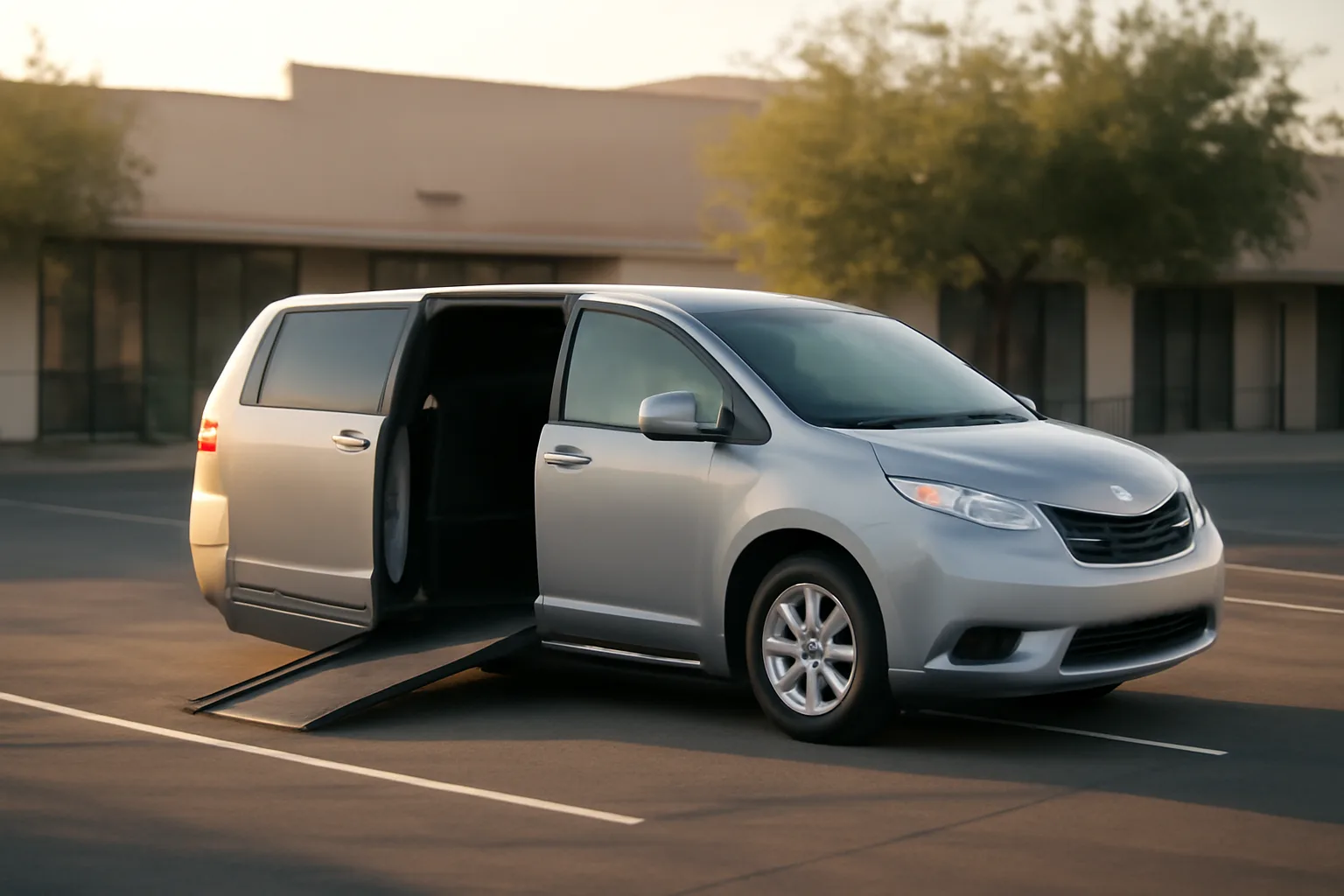
Strip away the grant search and the real startup sequence looks like this, roughly in order: 1. Pick your entity structure (LLC is standard) and register with your state. 2. Get your EIN from the IRS. 3. Buy or lease a compliant wheelchair-accessible vehicle. 4. Get commercial auto insurance with the liability limits your state and brokers require. 5. Apply for state Medicaid provider enrollment (this can take weeks to months). 6. Apply for broker credentialing with whichever broker manages NEMT in your state (Modivcare, MTM, Access2Care, SafeRide, or a state-run system). 7. Pass any required vehicle inspection and driver background checks. 8. Start taking trip assignments. The vehicle and insurance are usually the biggest upfront costs. A used wheelchair van typically runs somewhere in the tens of thousands of dollars depending on age, mileage, and lift condition, and a new one from a mobility dealer costs considerably more. There's no shortcut around this; it's the core capital expense of the business, and no grant program is going to hand you that money outright. For the fuller sequence with state-specific detail, see how to start a NEMT business and medical transportation business basics.
How do you start a NEMT business with just one van?
One van is a completely normal and common way to start. You don't need a fleet to get credentialed with most brokers; you need a compliant vehicle, proper insurance, a clean driving record, and your state Medicaid provider number. The practical constraints of a one-van operation: you'll likely be limited in how many trips you can take per day, you have no backup vehicle if yours breaks down or fails inspection, and some brokers set minimum trip volume or availability windows that a single vehicle makes hard to hit consistently. None of that disqualifies you from enrolling; it just shapes how much trip volume you can realistically accept once you're credentialed. Most owner-operators who start with one van reinvest early earnings into a second vehicle once they understand their local trip patterns (which brokers assign the most work, which times of day are busiest, what kind of trips pay best in their region). Confirm minimum fleet or vehicle standards with your broker and state Medicaid agency before you buy, since some states specify lift weight capacity, tie-down systems, or vehicle age limits [3].
What funding options actually work for buying your first wheelchair van?
| SBA 7(a) loan | Government-backed small business loan through a bank | Yes, commonly used for vehicle purchase | |
|---|---|---|---|
| SBA 504 loan | Long-term fixed-rate loan, often for larger asset purchases | Sometimes, more common for larger fleets | |
| State small-business grants | State-run grant/loan programs, often competitive and limited | Possible but not NEMT-specific; apply broadly | |
| USDA Rural Development funds | Loans/grants for rural infrastructure and business, some transportation-related | Only in qualifying rural areas, check eligibility | |
| Equipment/vehicle financing | Dealer or lender financing secured by the van itself | Very common, often the fastest path | |
| Personal savings / family loan | Self-funded | Common for the first van especially | |
| "NEMT grants" sold online | Usually a list of the above repackaged, or nothing real | Verify independently before paying for any list | The SBA itself maintains lender-matching tools and loan program pages you can check directly rather than paying a third party for access [1]. If a state grant program exists in your area for small businesses, minority-owned businesses, or veteran-owned businesses, your state's economic development agency website will list it, not a private NEMT-focused seller. |
Here's a realistic comparison of financing paths owner-operators actually use, versus the grant myth: | Funding source | What it actually is | Realistic for NEMT startup? |
How does Medicaid provider enrollment actually work for NEMT?
Every state Medicaid agency runs its own provider enrollment process, and NEMT enrollment usually happens at the state level even when a broker manages daily trip assignments. You'll typically submit an application through your state's Medicaid provider portal, list your business entity and vehicle information, and go through licensing or background check requirements specific to your state. Once enrolled as a Medicaid provider (or approved as a subcontractor under a broker), you become eligible to receive trip assignments and get reimbursed according to the state's or broker's fee schedule. This process is separate from, and usually a prerequisite to, broker credentialing with companies like Modivcare or MTM, which run their own onboarding on top of your state enrollment. Timelines vary a lot by state, from a few weeks to a few months, and there's no federal standard timeline because 42 CFR 431.53 leaves the mechanics of ensuring transportation up to each state [2]. Confirm current timelines, required documents, and fee schedules directly with your state Medicaid transportation unit, since these details change and vary state to state.
Where do broker credentialing and grants overlap (or don't)?
They don't overlap much at all. Broker credentialing with Modivcare, MTM, Access2Care, or SafeRide is an operational and compliance process: vehicle inspection, insurance verification, driver background checks, sometimes a facility check. It costs you time and paperwork, not application fees to the broker in most cases, though you'll spend real money getting your insurance, vehicle, and driver documentation up to their standard. Grants, where they exist, are a financing mechanism, separate from and unrelated to whether a broker will credential you. Getting a state small-business grant doesn't fast-track broker approval, and broker approval doesn't require you to have received any grant. Treat them as two completely separate tracks: financing (loans, grants, savings) gets you the van and insurance; credentialing (state Medicaid enrollment plus broker onboarding) gets you the trips. See NEMT transportation broker basics for more on how the credentialing side works separately from financing.
What should you actually budget for, if not a grant?
Realistic upfront costs to plan for, independent of any grant search: - Vehicle purchase or financing (used wheelchair vans vary widely in price by age and lift condition)
- Commercial auto and liability insurance meeting your state's and broker's minimums
- Business registration and licensing fees
- Driver background checks and any required training or certification
- Vehicle inspection and any required ADA lift/tie-down upgrades
- Time cost of the enrollment and credentialing paperwork itself, which can take weeks None of this is grant-fundable in the traditional sense. It's financed through loans, savings, or in some cases equipment financing tied directly to the vehicle. Building a clean, organized application package (state Medicaid enrollment plus broker documents) is honestly where new owner-operators lose the most time, not the vehicle purchase itself. That's the specific gap our $199 State + Broker NEMT Launch Kit is built to close: the paperwork and document checklist side, not the vehicle financing side.
What's the honest bottom line on NEMT grants?
If you came here hoping for a list of grants that fund a wheelchair van outright, the honest answer is that list doesn't really exist at the federal level. What exists is a mix of general small-business financing tools (SBA loans, sometimes state or rural development funds) and the real revenue mechanism of the business, which is Medicaid reimbursement for trips once you're enrolled and credentialed. Spend your search time on two things instead: finding the right financing product for your first vehicle (talk to an SBA-approved lender or your bank's commercial loan officer), and getting your state Medicaid enrollment and broker credentialing paperwork right the first time so you're not stuck in resubmission loops. That second part is where most delays actually happen, not the vehicle purchase. This article is a reference for planning purposes and isn't legal, tax, or financial advice. Confirm every requirement, deadline, and fee with your state Medicaid transportation unit and the specific broker you're applying to, since rules and figures change without much notice.
Frequently asked questions
Are there federal grants specifically for starting a NEMT business?
No. There's no federal grant program dedicated to NEMT startups. Grants.gov, the official federal grant clearinghouse, doesn't list one. What exists is general small-business financing (SBA loans, some state or rural development funds) plus Medicaid reimbursement once you're enrolled and credentialed, which pays you per trip, not as startup capital.
How do you start a medical transportation business?
Register your entity, get an EIN, buy or lease a compliant wheelchair van, secure commercial auto insurance, apply for state Medicaid provider enrollment, get credentialed with your area's broker (Modivcare, MTM, Access2Care, SafeRide, or a state-run system), pass vehicle and background checks, then start accepting trips. Timelines vary widely by state.
Does Medicaid cover ambulance rides?
Yes. Medicaid covers ambulance transportation when a beneficiary's condition requires medical monitoring during transport, with states setting specific coverage and payment rules within federal guidelines. This is a separate benefit and provider category from non-emergency medical transportation (NEMT), which covers routine rides that don't need an ambulance crew.
What is NEMT?
NEMT stands for non-emergency medical transportation: rides to and from medical appointments for people who can't drive themselves or use regular transit but don't need an ambulance. Federal regulation (42 CFR 431.53) requires state Medicaid programs to ensure this transportation exists, usually delivered through brokers or managed care organizations.
Does Medicare cover medical transportation?
Original Medicare covers ambulance transport when other means would endanger your health, but it generally doesn't cover routine non-emergency rides to appointments the way Medicaid does. Some Medicare Advantage plans offer NEMT as a supplemental benefit, but this varies by plan and isn't guaranteed, so check the specific plan.
How do you start a NEMT business with just one van?
You get your entity registered, buy or finance one compliant wheelchair van, get commercial insurance, and apply for state Medicaid enrollment plus broker credentialing, same as a larger operation. One van limits your daily trip capacity and leaves no backup vehicle, but it's a normal and common way to start.
What is non-emergency medical transportation?
It's transportation for people who need help getting to medical appointments but aren't in a medical emergency, commonly used for dialysis, chemo, physical therapy, and specialist visits. States must ensure it's available under Medicaid, per 42 CFR 431.53, and typically deliver it through brokers who subcontract to local providers.
Do SBA loans work for buying a wheelchair van for a NEMT business?
Yes, many owner-operators use SBA 7(a) loans or equipment financing to buy their first wheelchair van, since these are government-backed and more accessible than a typical bank loan. This isn't a grant; it's a loan you repay, but it's the most realistic financing path most new NEMT owners actually use.
Is there a difference between state grants and NEMT-specific grants?
Yes. Some states run general small-business grants (for minority-owned, veteran-owned, or rural businesses) that a NEMT startup could theoretically qualify for, but these aren't NEMT-specific and are competitive. Check your state's economic development agency site directly rather than paying a third party for a curated list.
How long does Medicaid provider enrollment take for a NEMT company?
It varies significantly by state, ranging from a few weeks to a few months, because federal rule leaves the enrollment mechanics up to each state Medicaid agency. There's no single federal timeline. Confirm current processing times and required documents directly with your state Medicaid transportation unit before you plan your launch date.
Do you need a broker's approval and Medicaid enrollment separately?
In most states, yes: state Medicaid provider enrollment and broker credentialing (with Modivcare, MTM, Access2Care, SafeRide, or similar) are two separate processes. State enrollment establishes your eligibility as a provider; broker credentialing is the operational onboarding (vehicle inspection, insurance, background checks) that gets you actual trip assignments.
What's the biggest startup cost for a NEMT business if there's no grant?
Usually the vehicle. A used wheelchair-accessible van's price varies a lot by age, mileage, and lift condition, and commercial insurance meeting state and broker minimums is the next largest recurring cost. Neither is typically grant-funded; most owner-operators use loans, equipment financing, or savings.
Sources
- U.S. Small Business Administration, Loans page: SBA 7(a) and 504 loan programs are government-backed financing options small businesses, including vehicle purchases, commonly use
- Electronic Code of Federal Regulations, 42 CFR 431.53: States must ensure necessary transportation for Medicaid beneficiaries to and from providers
- Medicaid.gov, Non-Emergency Medical Transportation: Medicaid covers ambulance transportation and NEMT as separate benefit categories with state-specific rules
- Medicare.gov, Ambulance Services: Original Medicare covers ambulance services when other transportation would endanger health, and generally does not cover routine non-emergency rides
- eCFR (Code of Federal Regulations): Federal regulation defining transportation services that states may cover under Medicaid, including non-emergency medical transportation.
- U.S. Small Business Administration: SBA 7(a) loan program details that NEMT entrepreneurs can use to finance vehicle purchases instead of relying on grants.
- U.S. Small Business Administration: SBA 504 loan program can be used for major fixed asset purchases such as wheelchair vans and facilities for a NEMT business.
- Federal Transit Administration: Section 5310 grant program funds transportation projects for seniors and individuals with disabilities, sometimes intersecting with NEMT services.
- eCFR (Code of Federal Regulations): Federal rule requiring state Medicaid plans to ensure necessary transportation to and from providers, underpinning NEMT program requirements.
- Medicaid.gov: Fact sheet describing state requirements and options for administering non-emergency medical transportation benefits.
- Centers for Medicare & Medicaid Services: CMS guidance on provider enrollment procedures relevant to NEMT providers seeking Medicaid/Medicare billing credentials.